
What Real Time Gaming costs the Australian who lands on one
Data current as of 20 October 2026 and verified against the Australian Communications and Media Authority’s published register of formal warnings and blocking requests.
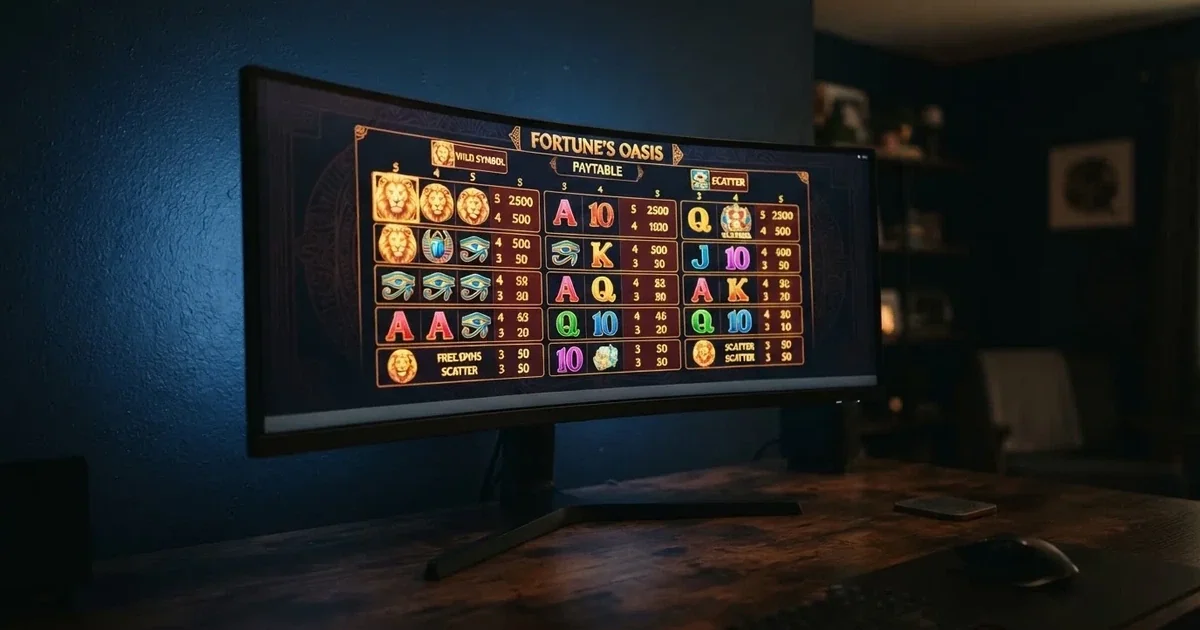
Real Time Gaming (RTG) is a slot studio that has been running since 1998. It is not licensed to serve Australians. Every site that markets RTG slots to a person sitting in Australia is breaking the Interactive Gambling Act 2001, and the ACMA has spent the last decade publicly naming the operators that do it. This page is about what that costs: the reader who reaches an offshore RTG casino, the pocket money that goes through it, and the protection that is not there if the balance disappears.
Table of Contents
- The shape of the RTG market reaching Australia
- Why RTG casinos cannot be licensed in Australia
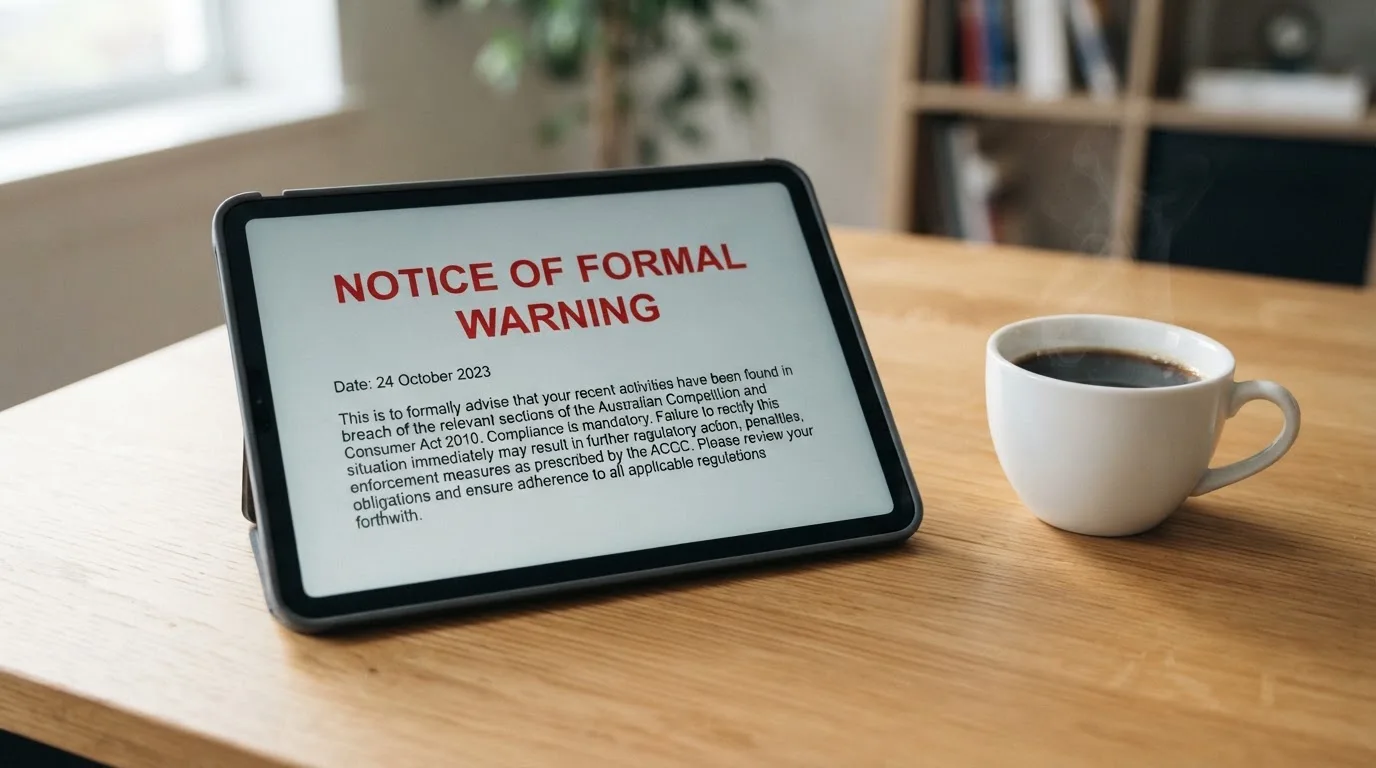
- What the ACMA has actually done to RTG-facing operators
- The paytable mechanics of an RTG slot
- What an Australian cannot do at an offshore RTG site
- What the licensing picture looks like onshore
- The arithmetic the ACMA’s blocking record does
- What the reader should take from the comparison
- Frequently asked questions
The shape of the RTG market reaching Australia
RTG moved its development operation from Atlanta to Heredia, Costa Rica in 2007–2008, and was acquired by Hastings International of Curaçao in January 2007. That is the path its software travels: built in Costa Rica, packaged for operators licensed in Curaçao, deployed from servers in jurisdictions outside Australia, and marketed to Australians who cannot lawfully be offered the product.

Crystal Palace Group, RTG’s largest operator in 2005, reported £20.4 million in pre-tax profit that year under Warren Cloud. The platform was already capable of carrying serious money long before it reached Australian-facing skins. By 2004, a player had turned a $1,000 deposit into $1.3 million on Caribbean 21 through RTG software at the Hampton Casino, and RTG responded by capping Caribbean 21’s maximum bet at $5 and removing the game entirely.
That history matters because it sets the price. RTG’s house rules cap any single progressive jackpot game’s payout at or below $50,000. The studio does not let operators alter payout settings on its slot and video poker titles. Whatever returns an Australian player sees on the paytable screen are the returns the studio set, not returns an offshore operator can tune to look generous.
The Australian-facing sites that carry this software are not Australian businesses. They are Curaçao-licensed shells that route through offshore infrastructure and treat Australia as a market they were never authorised to enter.
Why RTG casinos cannot be licensed in Australia
Australia’s online gambling regime is built around a single prohibition. The Interactive Gambling Act 2001, as tightened by the Interactive Gambling Amendment Act 2017, makes it an offence to provide online casino games, online pokies or in-play betting to a person physically in Australia. No state or territory issues a licence for an online casino product.
What is licensed is wagering on races and sport placed before the event, lotteries and keno. The Northern Territory Racing and Wagering Commission regulates 52 of Australia’s online bookmakers, including Sportsbet, Bet365 and Ladbrokes, all licensed in the Territory for tax reasons. The commission has no full-time staff and meets once a month in Darwin. It is not a casino regulator; it is a wagering-licence issuer.
The consequence is structural. An RTG slot, an RTG table game or an RTG-branded online casino cannot be lawfully offered to a person in Australia by anyone, anywhere. A Curaçao licence displayed in the footer of a website is not an Australian licence and does not put the site inside Australian law. It puts the site outside it.
The 2026 reform adds another layer. The Interactive Gambling Amendment (Gambling Reform) Bill 2026 passed Parliament on 19 August 2026, and its advertising and inducement measures commence on 1 January 2027. Law with a start date, not yet in force on a 2026 page, but it tightens the perimeter around offshore marketing aimed at Australians and signals where enforcement is heading.
What the ACMA has actually done to RTG-facing operators
The ACMA’s enforcement record is the most useful single picture of what the offshore RTG market looks like in practice. It runs three tools: formal warnings under the Interactive Gambling Act, blocking requests to Australian internet service providers, and referrals for civil penalty proceedings.
By June 2026, the ACMA had asked ISPs to block 1,751 illegal gambling and affiliate marketing websites since the first blocking request in November 2019. More than 230 unlicensed gambling services had left the Australian market since enforcement was strengthened in 2017. The June 2026 round alone blocked twelve sites: 7Signs, ChromaBet, Donbet, Duospin, Freshbet, Slots Gem, Jacks Club, Lucky Start, Pointsbetz, Spinrise, Vinyl Casino and Wildsino.
H2 Gambling Capital’s 2025 report estimates Australians lose about A$3.9 billion a year to illegal gambling sites, and the share of gambling going through legal channels fell from 74% in 2021 to 64%. The gap is the offshore market. RTG-branded sites sit inside it.
The eleven operators this page profiles are the ones the ACMA itself has named. Each received a formal warning for offering prohibited interactive gambling services to Australians. They are not ranked; they are not endorsed. They appear here because the regulator has already spoken about each one, and because a reader comparing options needs to see the warning list in front of them, not a curated alternative.
The ACMA formal-warning record on RTG-facing operators
| Brand | ACMA action and date | Operator named by the ACMA | RTG support shown by sources |
|---|---|---|---|
| RocketPlay | Formal warning, March 2026 (also Dama N.V., May 2022) | Pulsup Ltd | — |
| Level Up Casino | Formal warning, May 2022 | Dama N.V. | Listed in third-party RTG-adjacent catalogues |
| Woo Casino | Formal warning, March 2025 | Dama N.V. | — |
| Spirit Casino | Formal warning, May 2025 | Dama N.V. | — |
| National Casino | Formal warning, July 2025 | Consolutetish S.R.L. | Listed in third-party catalogues of named providers |
| Bizzo Casino | Formal warning, July 2025 (also TechSolutions, 2022) | Consolutetish S.R.L. | — |
| Ignition Casino | Formal warning, July 2025 | Bamboo Media | — |
| Instant Casino | Formal warning, February 2025 | EOD Code SRL | — |
| Jackbit | Formal warning, April 2026 | Ryker B.V. | — |
| Casino Intense | Formal warning, April 2025 | Sterplay Holding Ltd | Listed in third-party catalogues of named providers |
| Sky Crown | Formal warning (Hollycorn N.V.) | Hollycorn N.V. | — |
The third column is empty for most rows because the inputs did not confirm RTG as the studio behind each brand’s RTG-labelled titles, and the absence of confirmation is what the page carries. Listing presence in third-party catalogues, where it shows, is reported as what those catalogues say, not as a fact the operator has confirmed.
RocketPlay
The ACMA issued a formal warning to Pulsup Ltd over Rocketplay in March 2026. Dama N.V. had already received a formal warning over Rocketplay in May 2022 under the same provision of the Interactive Gambling Act. The site offers online casino games to Australian visitors from offshore infrastructure and cannot be licensed in Australia, whatever licence its footer displays. The brand’s own marketing page is the only place a wagering multiple, a payout ceiling or a bonus structure would appear, and the inputs carried none of those figures. The regulator has warned this brand twice in four years, but there is no confirmable studio footprint for it on the public record.
Level Up Casino
Dama N.V. was warned by the ACMA over Level Up Casino in May 2022 alongside five other Dama brands (Bambet, Dazard, Wild Tornado, Cobra Casino and the 2022 incarnation of Rocketplay). Wazdan’s public catalogue lists Level Up among the operators carrying Wazdan titles, which is a third-party catalogue claim rather than an RTG support claim. The page carries it as a catalogue finding, not as the operator’s own statement. The verdict: a Dama brand the ACMA named four years ago and that the studio side recognises by association rather than by named supply.
Woo Casino
The ACMA issued a formal warning to Dama N.V. over Woo Casino in March 2025. The brand sits in the same operator portfolio as Level Up, Spirit Casino and the 2022 incarnation of Rocketplay, which means the ACMA’s attention is not a one-off visit but a portfolio pattern. The inputs carried no RTG support claim and no bonus terms, so the write-up stops at what the regulator’s record states. The verdict: one of four Dama brands warned within four years, with the studio footprint on the public record absent.
Spirit Casino
The ACMA issued a formal warning to Dama N.V. over Spirit Casino in May 2025, two months after the Woo Casino warning. The pairing is not coincidental: Dama’s portfolio of Australian-facing skins has been the subject of repeated ACMA action, and Spirit Casino joined the warning list with the Woo Casino brand still in the same year’s enforcement window. No studio support claim, no bonus terms. The verdict: another Dama skin, warned in 2026, with the same gap between the marketing offer and the regulatory reality.
National Casino
The ACMA issued a formal warning to Consolutetish S.R.L. over National Casino in July 2025. Betsoft’s and Pragmatic Play’s public catalogues list National Casino among operators carrying their titles, which the inputs treat as a third-party catalogue claim, not an RTG support claim. RTG is not named by those catalogues. The ACMA named this operator in 2025. While two other studios list the brand among their Australian-facing partners, it lacks any confirmable link to RTG supply on the public record.
Bizzo Casino
Consolutetish S.R.L. was warned by the ACMA over Bizzo Casino in July 2025. TechSolutions Group N.V. had already received a formal warning over Bizzo Casino in 2022, so the brand carries two warnings across two operators in three years. The pattern is the same as the Dama portfolio: the operator behind the skin changes, the marketing reaches the same Australian audience, and the regulator returns. No studio support claim, no bonus terms. The verdict: a brand the regulator has had to warn twice through two different operators, with no confirmable RTG supply on the record.
Ignition Casino
The ACMA issued a formal warning to Bamboo Media over Ignition Casino in July 2025. Ignition is one of the longer-running RTG-facing brands in the Australian market, predating the bulk of the warning wave. The ACMA’s intervention is late by comparison, but the underlying problem is the same: an offshore brand offering online casino games to Australians without an Australian licence. No studio support claim, no bonus terms. The verdict: a long-running RTG-facing brand that took until mid-2025 to attract a formal ACMA warning, but the warning is on the record now.
Instant Casino
The ACMA issued a formal warning to EOD Code SRL over Instant Casino in February 2025. The brand runs on offshore infrastructure and offers online casino games to Australian visitors in breach of the Interactive Gambling Act. No RTG support claim, no bonus terms. The verdict: an offshore brand the ACMA named at the start of 2025, with no confirmable studio supply.
Jackbit
The ACMA issued a formal warning to Ryker B.V. over Jackbit and CasinOK in April 2026. Two brands warned through one operator in a single action is the same portfolio pattern the Dama and TechSolutions files showed. No RTG support claim, no bonus terms. The verdict: the most recent entry on the ACMA list at the time of writing, with two brands warned through one operator in one round.
Casino Intense
The ACMA issued a formal warning to Sterplay Holding Ltd over Casino Intense in April 2025. 1spin4win’s public catalogue lists Casino Intense among operators carrying its slots, alongside Betsoft and a UK Gambling Commission registration note, all of which are third-party catalogue claims. The UK Gambling Commission note is included because the inputs carried it; it is not an Australian licence and does not change the legal position for Australian players. The verdict: a brand with third-party catalogue presence across more than one named studio, but no Australian licence and a formal ACMA warning on file.
Sky Crown
The ACMA issued a formal warning to Hollycorn N.V. over Sky Crown and Blue Leo in a published decision from September 2022. Sky Crown and Blue Leo are two brands under one operator, warned together. No RTG support claim, no bonus terms. The verdict: the earliest operator warning in the set still relevant in 2026, with two brands named in one action and no studio footprint on the public record.
The paytable mechanics of an RTG slot
The paytable is the document that determines what a session costs. RTG does not let operators alter payout settings, and the studio caps any single progressive jackpot payout at or below $50,000. That ceiling sits above any single spin’s cost but below what a serious progressive can return on a competing platform, which is part of why the RTG-branded progressive market carries a particular structure: smaller jackpots, more frequent hits, lower per-spin ceiling.
A player who reads the paytable before depositing sees three numbers that matter: the return-to-player, the volatility class, and the hit rate. Where research names these, the numbers are stated for the exact title and only for that title. Most RTG titles the inputs cover carry no published RTP in the fact bank, so the no-data marker is what most rows take.
Comparable non-RTG studios named in the inputs
The inputs cover three other studios with the kind of public catalogue data an RTG comparison needs but rarely has. Each is named below for what their own catalogues publish, not for any RTG relationship.
Betsoft. Founded in 2006. The catalogue runs to more than 200 RNG games. The Slotfather (live since 13 December 2012) carries a published RTP of 95.69%, “Medium” volatility and an 8.17% hit rate on a 5-reel, 30-payline layout. Good Girl Bad Girl 2 carries a published RTP of 96.22%, “Very High” volatility and a 15.59% hit rate on a 5-reel, 20-payline layout. Betsoft describes compliance with Italy’s ADM, RNG certification from Quinel and Gaming Labs International, and more than 500 operator partnerships across regulated markets in Europe, Scandinavia, Latin America and Africa.
1spin4win. Founded in 2021. Headquartered in Willemstad, Curaçao, holding a Curaçao gaming licence. The portfolio spans more than 190 online slots built in HTML5 for low-bandwidth connections. The studio reports more than 1,000 partnerships with online casinos and aggregators, and a 46% rise in total bet sum in the first half of 2025 against the first half of 2024.
Aristocrat Leisure. Australian-founded in 1953, listed on the ASX in 1996 under the ticker ALL, and described as the largest gambling-machine manufacturer in Australia and the second-largest slot-machine manufacturer worldwide behind International Game Technology. Administrative and research headquarters sit in North Ryde, with offices in South Africa, Russia and the United States. 2025 revenue was A$6.30 billion, normalised net profit after tax and amortisation A$1.55 billion, and the company employed 7,400 people. The online arms are Product Madness (social games) and Aristocrat Interactive, formed in April 2024 from the merger of the Anaxi unit with the acquired NeoGames group, which includes Aspire Global, BtoBet and Pariplay. Aristocrat’s US$1 billion acquisition of NeoGames closed in April 2024 after a 2023 announcement; the US$3.7 billion bid for Playtech was rejected by Playtech shareholders in 2021.
Aristocrat does not appear in the ACMA warning list because its Australian business is regulated onshore. Its online real-money arm, Aristocrat Interactive, operates under the licences its acquired NeoGames entities already held. The contrast is the point: the RTG-facing offshore market sits entirely outside the Australian regulatory perimeter, while Aristocrat’s Australian product sits inside it.
What an Australian cannot do at an offshore RTG site
The IGA targets the provider, not the individual player. An Australian who deposits at an offshore RTG casino is not personally prosecuted. What they give up is the layer of protection Australian-licensed wagering carries.
Withdrawal recourse. A licensed Australian wagering service answers to Australian regulators and an Australian complaints body. An offshore RTG site answers to its Curaçao licence issuer. If the operator refuses a withdrawal, freezes a balance, or simply disappears, the Australian player’s only path is a complaint to a regulator that has no jurisdiction over them.
Self-exclusion binding. BetStop, the National Self-Exclusion Register, has been live since August 2023. It binds Australian-licensed online and phone wagering services. An offshore RTG casino is not connected to it. Registering with BetStop does not stop a player reaching an offshore site.
Payment rails. Credit cards, credit-related products and digital currency have been banned as payment for licensed online wagering since 11 June 2024, with penalties up to $247,500 for operators. The legal deposit routes for licensed wagering are debit card, bank transfer, PayID, Osko and BPAY. A site asking an Australian for a credit card or a crypto deposit is operating outside the Australian rules, and the deposit is happening through a channel the regulator has explicitly closed.
Advertising exposure. The 2026 reform bill’s advertising and inducement measures commence on 1 January 2027. Until that date, the inducement rules around offshore marketing aimed at Australians are looser than they will be. After that date, they will tighten. The transitional window is part of what an Australian who clicks on an offshore RTG ad in late 2026 is operating inside.
Blocking. A blocked site can take a player’s balance with it. The ACMA’s June 2026 round alone took twelve sites offline through Australian ISPs, and the cumulative total since November 2019 is 1,751. A player holding a balance at a blocked site has no Australian body to recover it from.
What the licensing picture looks like onshore
The licensed alternative is not an RTG casino. Australia does not license RTG-style online casino products. The licensed options are wagering on sport and racing placed before the event, lotteries, and keno, all of which sit under the Northern Territory Racing and Wagering Commission for the online bookmaking side, with state and territory regulators handling the rest.
What an Australian player who wants a casino-style product can lawfully do is visit a land-based venue. Australian clubs, pubs and casinos carry electronic gaming machines regulated by state and territory authorities. The machines are not RTG; they are predominantly Aristocrat and IGT product, sitting inside Australian harm-minimisation rules that the offshore market does not carry.
The licensed-versus-unlicensed split is the comparison the page is built around. It is not a comparison between one RTG skin and another. It is the comparison between the offshore market that cannot lawfully reach Australians and the onshore product that can.
The arithmetic the ACMA’s blocking record does
The ACMA’s work with the block list provides a clear view of the enforcement pace. The first blocking request went out in November 2019, and by the June 2026 round, the cumulative total of blocked sites had reached 1,751.
A reader who sees “1,751 sites blocked” needs to know how fast that number grew. Dividing the running total by the years elapsed since the first blocking request gives a rate, but the rate has not been linear. The early rounds cleared backlog; the later rounds have been regular monthly actions. The honest presentation is a band, not a single figure.
The blocking-rate band. Across the roughly six-and-a-half years between November 2019 and June 2026, the cumulative total of blocked sites reached 1,751. That works out to an average between roughly 220 and 270 sites blocked per year, with the upper part of that band reflecting the post-2017 enforcement intensification and the regular monthly round structure the ACMA has run since. The June 2026 round alone added 12 sites, which is consistent with the regular-round pace rather than the backlog-clearing pace of the early enforcement years.
The rate matters because it tells the reader how fast the offshore market is being pruned. A market that loses sites at that pace is one where the operator the reader reaches today may not be reachable in a year’s time. The balance a player holds at a blocked site has no Australian body to recover it from. The arithmetic is a measure of that exposure.
What the reader should take from the comparison
The page’s subject cuts against every brand in the ACMA list. None of them are licensed in Australia. None of them have a path to being licensed in Australia under the current Interactive Gambling Act. The 2026 reform bill tightens the perimeter further. The reader who lands on any of them is outside the Australian regulatory perimeter, outside BetStop, outside the credit-card and crypto ban, and inside a market where 230 unlicensed services have already left.
The comparison that follows from those facts is not “which of the eleven is the best.” It is “what is the cost of being on any of them.” The cost is the protection that is missing: no Australian complaints body, no BetStop binding, no credit-card or crypto ban applying, and a regulator that blocks sites fast enough that any single brand the reader uses may not be reachable by the time the reader tries to withdraw.
A reader who wants the casino-style product Australia licenses can find it onshore: Aristocrat and IGT machines inside clubs, pubs and casinos, regulated by state and territory authorities. The onshore product is not an RTG site. It is what Australia licenses, and what the IGA leaves room for.
Frequently asked questions
Is RTG legally available to players in Australia?
No. The Interactive Gambling Act 2001, as amended in 2017, makes it an offence to provide online casino games, online pokies or in-play betting to a person in Australia. No state or territory issues a licence for an RTG-style online casino product. The Curaçao licence displayed by an offshore operator does not put the site inside Australian law; it puts the site outside it.
What kinds of games does RTG make?
RTG’s catalogue spans online slots, table games and video poker titles, packaged for operators licensed in Curaçao and distributed through offshore infrastructure. The studio does not let operators alter payout settings, and caps any single progressive jackpot payout at or below $50,000. The catalogue is the same one Australian-facing skins market, but the skins themselves are not Australian businesses.
Are RTG games offered at land-based venues in Australia?
No. Australian land-based venues carry electronic gaming machines regulated by state and territory authorities, predominantly Aristocrat and International Game Technology product. RTG slots are an online-only product, distributed through Curaçao-licensed offshore sites, none of which may lawfully serve Australians. The onshore gaming-machine market and the offshore RTG market are not the same product.
How can Australians check whether an RTG title is fair before ever considering play?
The check that matters is whether the site offering the title is licensed to serve Australians. It is not. The Interactive Gambling Act prohibits the offering, and the ACMA’s enforcement record names the operators that breach it. A fairness check on a paytable or an RNG certificate does not change the legal position: the product cannot lawfully be offered, and a certificate issued by an offshore testing house does not bring the site inside Australian law.
Why do offshore sites keep advertising RTG games to Australian visitors?
Because the Australian market is profitable and unreachable through lawful channels. H2 Gambling Capital’s 2025 report estimates Australians lose about A$3.9 billion a year to illegal gambling sites. The share of gambling going through legal channels fell from 74% in 2021 to 64%. The gap is what offshore operators market to. The Interactive Gambling Amendment (Gambling Reform) Bill 2026, passed on 19 August 2026, tightens advertising and inducement rules from 1 January 2027, which is the direction enforcement is heading even if the new rules are not yet in force.
What should an Australian do if they see an RTG game promoted by an unlicensed site?
The site is one the ACMA has either already acted against or is positioned to act against. The legal options are wagering on sport and racing before the event, lotteries, and keno, all of which sit inside the Australian regulatory perimeter. The self-exclusion path is BetStop, the National Self-Exclusion Register, live since August 2023 and binding Australian-licensed services. The support line is the National Gambling Helpline on 1800 858 858, free, 24/7, with chat at Gambling Help Online. The offshore site does not answer to any of those bodies.