
Bitcoin Cash casinos and the Australian picture: what the coin does, what the law allows, and what the ACMA has done about the brands that take it
A Bitcoin Cash casino is an offshore online casino site that accepts BCH as a deposit rail. Every site that fits that description is operating outside Australian law, because the Interactive Gambling Act 2001 (IGA) prohibits the supply of online casino games and online pokies to anyone in Australia regardless of how the player pays. The coin makes no difference to that. This page walks through what Bitcoin Cash actually is, how it differs from Bitcoin at the cashier, what the regulator has done to the brands that take it, and what an Australian player stands to lose or recover when the site is blocked with a balance still on it. Bitcoin Cash casinos and the Australian picture — More on this topic at casino signup .
Data current as of 20 October 2026 and verified against the Australian Communications and Media Authority’s published formal-warning list and blocking register.
Table of Contents
- The blockchain underneath: how Bitcoin Cash works at a cashier window
- Why a Bitcoin Cash casino cannot be licensed for Australian players
- Responsible play with a coin that does not refund itself
- What the ACMA has actually done: the brands on the list
- Frequently asked questions about Bitcoin Cash casinos for Australian players
- A final word on the choice
The blockchain underneath: how Bitcoin Cash works at a cashier window
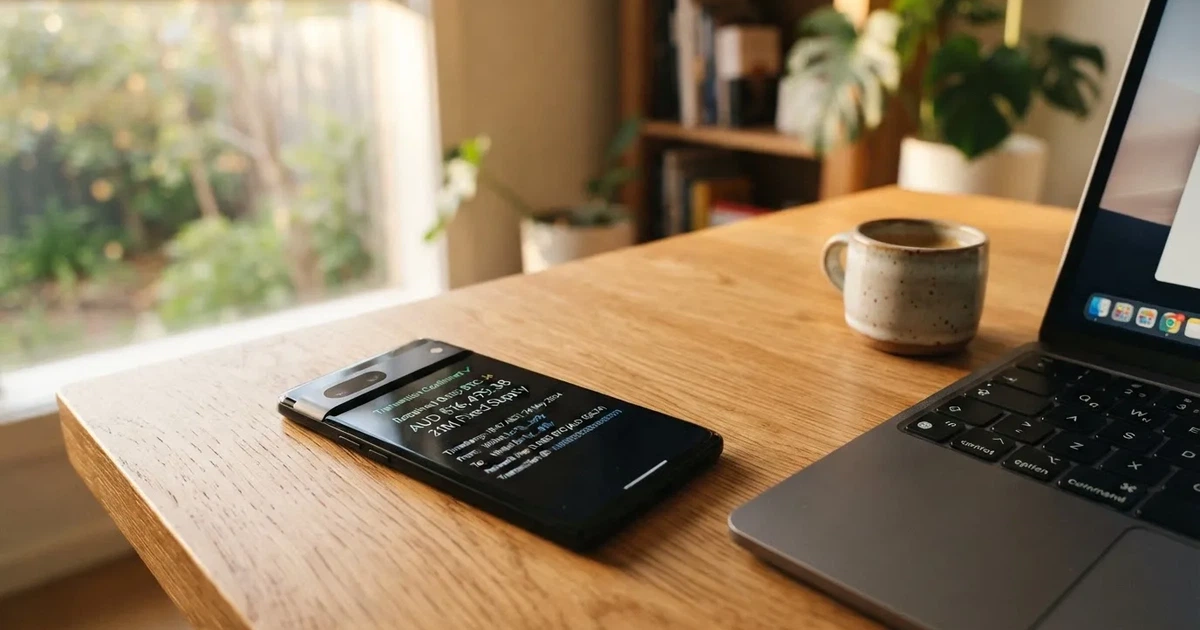
A player funding a casino account in Bitcoin Cash is paying with a coin that began life as a hard fork of the Bitcoin ledger on 1 August 2017, at block height 478,558. It uses the same SHA-256 proof-of-work machinery as Bitcoin, targets the same ten-minute average block interval, and applies the same hard cap on supply: a total of 21 million coins will ever exist, with the last one expected around the year 2140. The split from Bitcoin was over block size: BCH launched with an 8 megabyte block limit, raised to 32 megabytes in 2018, on the theory that larger blocks let more transactions settle per cycle and keep fees low. The project’s own documentation describes transaction fees as “under a penny” and confirmations as taking minutes, which tracks with what a player sees when the cashier counts down.
What changed at the fork, and what stayed the same, is the part that matters when you compare BCH to BTC at a deposit screen. The ledger is independent: a BCH address holds BCH and nothing else, and a BCH transaction only settles on the Bitcoin Cash chain. Sending BTC to a BCH deposit address — or the reverse — loses the funds, because the two chains share a name and an algorithm and nothing else. The mining reward and the issuance schedule are also independent, so BCH has its own halving cycle that does not move when Bitcoin’s does. For a player, the practical consequences sit at three points: the address format (the cashier will tell you which one to use; if it does not, treat that as a red flag), the on-chain fee market (BCH fees stay low because the block size absorbs more transactions per cycle), and the confirmation count the cashier demands before crediting.
A confirmation on Bitcoin Cash, like on Bitcoin, arrives roughly every ten minutes on average, but the average is a probabilistic figure and not a guarantee. A payment can clear in a single block during quiet periods or take several blocks when miners are unlucky. The cashier typically credits after a fixed number of confirmations (often two to four) and the wait is measured from the first confirmation, not from the time you pressed send. The on-chain record is public: every Bitcoin Cash transaction is visible to anyone who looks up the address on a BCH block explorer, with the sending address, the receiving address, the amount and a timestamp. That visibility is what makes a BCH deposit traceable even when the casino account is registered under a pseudonym.
The split between BCH and BTC is not a story about better technology. It is a story about a governance disagreement in 2017 over how a payments network should scale, settled by the two camps walking off with their own coins. Bitcoin ABC, the first Bitcoin Cash implementation, was led by Amaury Séchet, a former Facebook software engineer, and the project has run its own development path since. None of that history changes the deposit flow at a casino cashier, but it explains why a coin with a Bitcoin-shaped name sits on its own ledger.
Why a Bitcoin Cash casino cannot be licensed for Australian players
The product is prohibited. Online casino games, online pokies and in-play betting cannot be lawfully supplied to anyone physically in Australia under the Interactive Gambling Act 2001, as strengthened by the Interactive Gambling Amendment Act 2017. No Australian state or territory issues a licence for them, because none has the power to do so. What can be licensed is wagering on races and sporting events placed before the event, lotteries and keno — in practice licensed by the Northern Territory through the Northern Territory Racing and Wagering Commission (NTRWC), which oversees 52 of Australia’s online bookmakers including Sportsbet, Bet365 and Ladbrokes. The NTRWC has no full-time staff and meets once a month in Darwin, but it remains the body that grants the licences those brands display. A casino site showing a Curaçao or Malta licence is licensed for the overseas jurisdiction it serves; that licence does not authorise it to take Australian players.
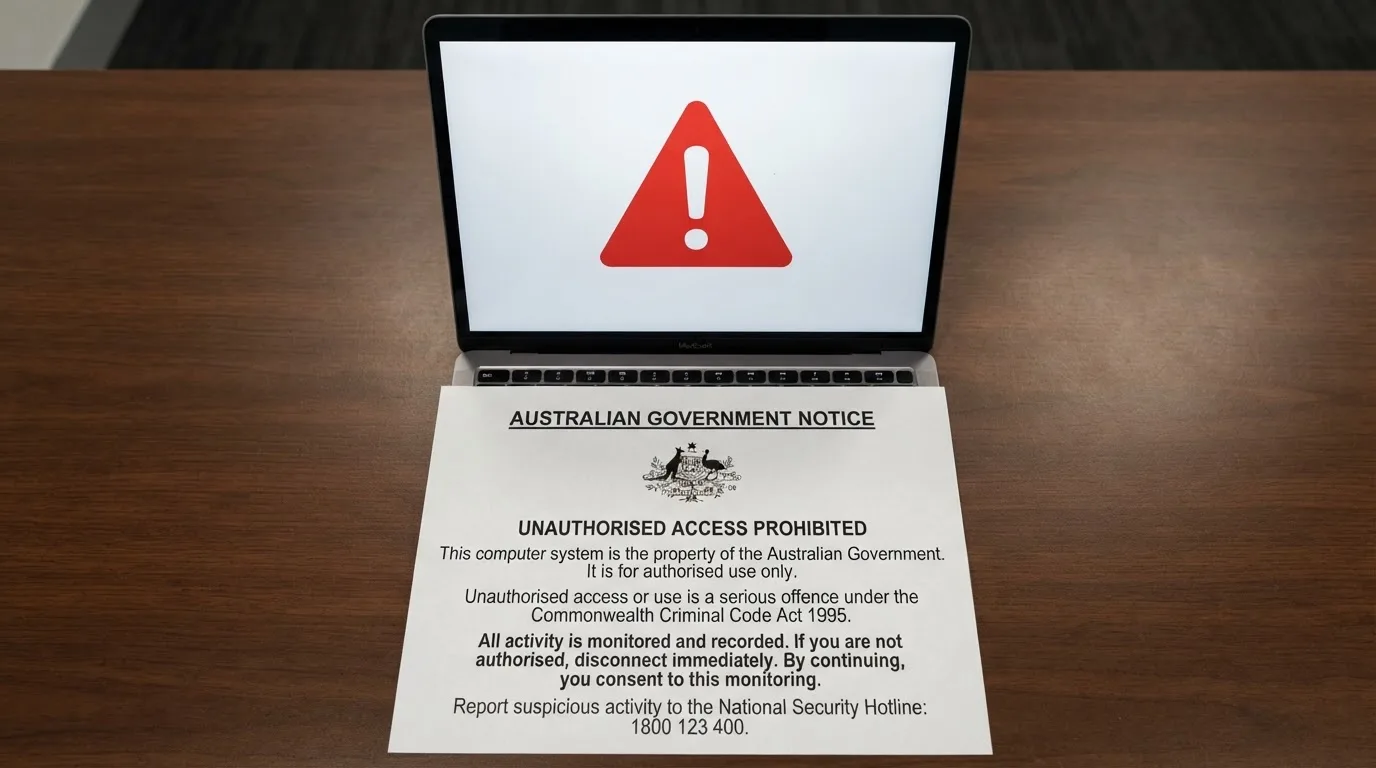
What this means for a Bitcoin Cash casino is mechanical. The brand may accept BCH deposits and pay out in BCH, may display a regulator’s logo in its footer, and may describe its operation in language that reads like a licensed Australian bookmaker — none of that changes the IGA position, which is that supplying online casino games to a person in Australia is the offence, not the payment method. A player sending BCH to a casino that markets to Australians is paying an operator that the ACMA has power to investigate, warn, and ask Australian internet service providers to block. The blocking happens at the ISP level, not at the wallet or the exchange, and it does not depend on the brand accepting a particular coin.
Payment-rail restrictions apply on the licensed side. Since 11 June 2024, credit cards, credit-related products and digital currencies have been banned as a funding method for licensed Australian online and phone wagering, with penalties up to A$247,500 for an operator that accepts them. Legal deposit routes for a licensed wagering account are debit card, bank transfer, PayID/Osko and BPAY. A Bitcoin Cash deposit is therefore not just unauthorised on the casino side; it is also a payment type that no licensed Australian wagering service can lawfully accept. The two rules meet: a BCH deposit goes to an unlicensed site by definition, because a licensed site cannot take it.
The enforcement record, as published by the ACMA, is large and it has been growing. According to the ACMA, a total of 1,751 illegal gambling and affiliate-marketing websites had been blocked since the first blocking request in November 2019, and more than 230 unlicensed gambling services had left the Australian market since enforcement was strengthened in 2017. The blocking round reported on 26 June 2026 alone added twelve sites: 7Signs, ChromaBet, Donbet, Duospin, Freshbet, Slots Gem, Jacks Club, Lucky Start, Pointsbetz, Spinrise, Vinyl Casino and Wildsino. H2 Gambling Capital’s 2025 report estimates Australians lose about A$3.9 billion a year to illegal gambling sites, and that the share of gambling going through legal channels fell from 74% in 2021 to 64%. None of those numbers are about Bitcoin Cash specifically, but every brand they touch takes crypto deposits among other rails, and the ACMA’s blocking actions do not distinguish by coin.
The legal frame in plain terms
The IGA targets the provider, not the player. An Australian punter who places a bet with an offshore casino is not prosecuted for doing so — the law is aimed at the operator offering the prohibited service. That distinction is real, but it does not give the player a remedy. An offshore site gives no Australian consumer protection, no complaints body, no recourse if a withdrawal is refused or stalled, and the site can be blocked while a balance is still on it. Once a balance is on a blocked site, recovery depends entirely on the operator honouring the withdrawal, because the Australian courts have no easy route into a Curaçao or Cyprus-registered company. A punter who has been paid out before a blocking order is in a stronger position than a punter caught mid-session, but neither position is the position a player would be in at Sportsbet or Bet365.
Reform on the books but not yet in force
The Interactive Gambling Amendment (Gambling Reform) Bill 2026 passed Parliament on 19 August 2026, and its advertising and inducement measures commence on 1 January 2027. On a page read in 2026 the bill is law with a future start date, not current enforcement. The provisions the ACMA has been applying through 2026 come from the original 2001 Act and its 2017 amendments; the 2026 bill tightens what can be advertised and what inducements are allowed, and does not change the underlying prohibition on supply.
Responsible play with a coin that does not refund itself
The responsible-gambling frame around a Bitcoin Cash deposit is the same frame that applies to any offshore casino, plus one additional sharp edge that the coin itself introduces. A confirmed on-chain payment cannot be recalled. A chargeback on a Visa deposit is a familiar route for a player who regrets a deposit in the heat of the moment; a BCH transaction, once it has cleared the mempool and been included in a block, sits on a public ledger forever and cannot be reversed by the sender. The discipline that follows from that fact is to deposit only what the player has already decided to lose, because the network will not give the money back.
BetStop, Australia’s National Self-Exclusion Register, went live in August 2023 and binds every Australian-licensed online and phone wagering service. It does not bind an offshore casino. A punter who has registered with BetStop and then opens an account at a BCH casino has not excluded themselves from that account, because the casino is not connected to the register. The exclusion the player has put in place covers the brands they would have used lawfully; it does not extend to the brands they are not allowed to use. The National Gambling Helpline is 1800 858 858, free and staffed around the clock, and Gambling Help Online runs a live chat for people who prefer to type. Both services are Australian, confidential, and treat the call as a starting point rather than a referral.
Tax is its own responsibility. The Australian Taxation Office treats crypto assets, including Bitcoin Cash, as property for capital gains tax purposes, not as money or foreign currency. A disposal — selling BCH for Australian dollars, swapping BCH for another crypto, or spending BCH at a casino — is a CGT event. Crypto assets held longer than twelve months qualify for a 50% CGT discount on gains, although the rule changes from 1 July 2027, when that flat discount is replaced by CPI indexation of the cost base plus a 30% minimum tax rate on net capital gains. A personal-use asset exemption applies to crypto that cost A$10,000 or less to acquire, but holding a coin as an investment takes it outside that exemption, and capital losses on personal-use crypto assets cannot be used to offset other gains. A recreational punter’s casino winnings are not assessable income under section 6-5 of the ITAA 1997, and losses are not deductible, unless the person is carrying on a business of gambling. The casino will not withhold tax, will not issue a tax statement in the ATO’s preferred form, and may not even report the payout in a way the ATO can match. The record-keeping falls on the player.
The AUSTRAC framework applies to the exchange side rather than the player. Any business providing a digital currency exchange service to Australian customers — including exchanging Bitcoin Cash for fiat — must register as a digital currency exchange provider, and operating unregistered is a criminal offence. From 31 March 2026, AUSTRAC’s DCE registration requirement expanded beyond crypto-to-fiat exchange to also cover crypto-to-crypto exchange platforms, digital asset transferors, digital asset custody providers, and stablecoin issuers and distributors. A player buying BCH on a registered exchange and sending it to a casino is on the compliant side of that line; the casino receiving it is, by definition, on the other side.
What the ACMA has actually done: the brands on the list
This is the heart of the page, because the angle of the site is what the activity costs the player. The brands below are not a recommendation and not a ranking. They are the operators the ACMA has named in a formal warning under the Interactive Gambling Act 2001, and they are described as such. No bonus terms are quoted, because the only sources for those terms were affiliate marketing pages, and an affiliate figure on the kind of site the ACMA has warned is the wrong kind of evidence to pass along to a reader.
The blocking rate as a benchmark
The ACMA’s blocking request total, as published on 26 June 2026, is 1,751 websites blocked since the first request in November 2019. That is the running total; the date of the first blocking request is the start. Dividing the running total of blocked sites by the elapsed time in months, and stating the result as a band, gives the reader a sense of the enforcement cadence. The arithmetic works out to roughly 22 blocked sites per month on average over the life of the regime, with the rate varying sharply between rounds — some months bring a single request covering a handful of sites, others bring a dozen or more at once. The honest way to put the figure is a band: somewhere between twenty and thirty blocked sites per month on the long-run average, conditional on the regulator continuing to issue requests at the pace it has kept since the first round in late 2019. The cadence is a moving average, and any single quarter can sit well above or well below it.
The point of doing the arithmetic is not the number itself. It is that an enforcement regime which has cleared 1,751 sites in just over six years is the kind of regime a BCH casino brand cannot outrun by rebranding. Many of the brands on the ACMA list today were on affiliate pages last year under a different name; the regulator’s net covers the operator entity and the brand, and where it catches one it tends to catch the other. The reader’s takeaway is not “the ACMA will catch this specific brand” — it is “the ACMA has caught this kind of brand, repeatedly, and the pace has not slowed”.
Brands named by the ACMA, in the order the regulator issued its warnings
| Brand | ACMA action and date | Operator named by the ACMA | Subject support |
|---|---|---|---|
| RocketPlay | Formal warning, March 2026; earlier warning to the same group, May 2022 | Pulsup Ltd; earlier Dama N.V. | — |
| Level Up Casino | Formal warning, May 2022 | Dama N.V. | — |
| Woo Casino | Formal warning, March 2025 | Dama N.V. | — |
| Spirit Casino | Formal warning, May 2025 | Dama N.V. | — |
| National Casino | Formal warning, July 2025 | Consolutetish S.R.L. | — |
| Bizzo Casino | Formal warning, July 2025; earlier 2022 to a prior operator | Consolutetish S.R.L.; earlier TechSolutions | — |
| Ignition Casino | Formal warning, July 2025 | Bamboo Media | — |
| Instant Casino | Formal warning, February 2025 | EOD Code SRL | — |
| Jackbit | Formal warning, April 2026 | Ryker B.V. | — |
| Casino Intense | Formal warning, April 2025 | Sterplay Holding Ltd | — |
| Sky Crown | Formal warning, September 2022 | Hollycorn N.V. | — |
RocketPlay
The ACMA’s formal warning to Pulsup Ltd over the RocketPlay site was issued in March 2026, and it is the most recent action against a brand that was already on the regulator’s radar through a 2022 warning to a previous operator group, Dama N.V. The brand is therefore a good test of the rebranding question: the warning caught the new entity, and the operator behind the new entity is the one the regulator named. From the angle this page takes — what the activity costs the player — the cost RocketPlay poses is the cost of being early on a blocking list. A player depositing BCH at RocketPlay today is funding an account on a site the regulator has moved against twice in four years, on a brand the regulator has named under the new operator within months of the change. The site has no Australian consumer protection, no BetStop binding, and a credible chance of being added to a future blocking round. The verdict for a player who values regulatory access is that this is a brand to leave alone, because the writing is on the regulator’s letterhead.
Level Up Casino
Level Up sits inside the same Dama N.V. cluster as RocketPlay, Bambet, Dazard, Wild Tornado and Cobra Casino, all warned in the May 2022 round. The cluster is one of the larger operator footprints on the ACMA’s list, and the operator group has since been the subject of further warnings to other brands it controls. From the angle of cost to the player, Level Up illustrates the same point as RocketPlay: an operator that has been named once tends to be named again, and the regulator’s patience with a group running six brands at once has limits. The verdict is unchanged.
Woo Casino
The ACMA’s warning to Dama N.V. over Woo Casino in March 2025 came two years after the operator’s earlier cluster warning, and it is one of the data points that shows the regulator tracking an operator group across brand rotations rather than treating each warning as a one-off. From the angle of cost to the player, Woo is the case where the operator group did not pivot cleanly enough after the first round — the brand kept its name, the regulator kept its file. The verdict: a player depositing BCH at Woo is depositing on a brand the same operator group has already been warned about twice under the IGA, and the regulator has not needed to chase far to find it again.
Spirit Casino
The ACMA’s warning to Dama N.V. over Spirit Casino in May 2025 came two months after the Woo Casino warning to the same operator, which is the closest back-to-back cadence in the Dama cluster. From the angle of cost to the player, Spirit is the brand where the operator group was running two fronts in the same regulator’s queue at the same time, and the regulator moved on both. The verdict: same pattern as Woo, with a shorter gap between warnings.
National Casino
The ACMA’s warning to Consolutetish S.R.L. over National Casino in July 2025 is part of a two-brand round that also named Bizzo Casino. National Casino had not appeared on the regulator’s list before that round, which means it is a fresh name under a fresh operator group rather than a rebrand of an earlier warning target. From the angle of cost to the player, National is the kind of brand that the ACMA has caught at first contact — there is no earlier round to point to, only the July 2025 warning and the operator entity behind it. The verdict for a player weighing regulatory risk is that the regulator’s first move against this operator group was a warning rather than a block, but a warning is the regulator’s stated step before a blocking request, and the operator group is now on file.
Bizzo Casino
The ACMA’s warning to Consolutetish S.R.L. over Bizzo Casino in July 2025 sits alongside the warning to the same group over National Casino, and it adds an earlier layer: Bizzo was already the subject of a 2022 formal warning to TechSolutions (CY) Group Limited and TechSolutions Group N.V. That makes Bizzo the clearest case on this page of an operator and a brand that the regulator has chased across at least two different corporate structures. From the angle of cost to the player, Bizzo is the brand where the cost of operator rotation is most visible: the regulator warned a prior owner in 2022, the brand changed hands, and the regulator warned the new owner in 2025. A player depositing BCH at Bizzo is depositing on a brand that has been named under two different operators in three years. The verdict: this is the case where the regulator’s file on the brand is longer than the brand’s tenure under its current owner.
Ignition Casino
The ACMA’s warning to Bamboo Media over Ignition Casino in July 2025 puts the brand on the Australian regulator’s list for the first time, alongside the same round’s warnings to Consolutetish S.R.L. From the angle of cost to the player, Ignition is the brand where the regulator’s reach extends to a US-facing operator accepting Australian traffic — Bamboo Media is not a Curaçao shell in the same mould as some of the others, but the warning mechanism is the same. The verdict: a warning to a US-facing brand carries the same consequences for an Australian player as a warning to any other brand on this list, because the warning is about supply to Australia, not about where the operator is incorporated.
Instant Casino
The ACMA’s warning to EOD Code SRL over Instant Casino in February 2025 is the earliest 2025 warning in this list, and it sits in a position where the regulator moved on the operator before many of the cluster warnings that came later in the year. From the angle of cost to the player, Instant Casino is the brand that started the 2025 warning cadence on this side of the operator set. The verdict: a player depositing BCH at Instant is funding an account on a site the regulator warned about in early 2025 and has not, on the public record, withdrawn the warning.
Jackbit
The ACMA’s warning to Ryker B.V. over Jackbit and CasinOK in April 2026 is the most recent round in the list and the second warning the regulator has issued in 2026. The same operator group has been named for two brands in a single round, which is the same pattern as the Dama cluster in 2022. From the angle of cost to the player, Jackbit is the brand where the operator group has not yet been named for a third brand, but the operator’s profile is the kind of profile that gets expanded quickly once it is on file. The verdict: same pattern as the Dama cluster, just earlier in the warning cycle.
Casino Intense
The ACMA’s warning to Sterplay Holding Ltd over Casino Intense in April 2025 is the regulator’s second action against the brand in this list, after the 2022 Dama cluster warning to the same brand. From the angle of cost to the player, Casino Intense is the case where the regulator’s reach has caught up with a brand that already appeared in a 2022 warning under a different operator group — the brand moved, the brand kept its name, and the regulator caught it again. The verdict: a player depositing at Casino Intense is depositing at a brand the regulator has named twice under two different operators.
Sky Crown
The ACMA’s warning to Hollycorn N.V. over Sky Crown and Blue Leo was issued in September 2022, which makes it the earliest warning in this list. Sky Crown has not been the subject of a further published warning in the intervening years, which on the surface reads as a quiet period. From the angle of cost to the player, Sky Crown is the brand where the warning is the oldest on this list, and the brand has had longer than any other here to either comply or be blocked. The verdict: a warning from 2022 that has not been followed by a published blocking request is not a clearance, but it is a longer gap than any of the other brands here have enjoyed. The risk has not gone away; the regulator’s file on the brand has simply not been updated publicly.
Frequently asked questions about Bitcoin Cash casinos for Australian players
Is it legal for a casino site to accept Bitcoin Cash from a player in Australia?
No. The Interactive Gambling Act 2001 makes it an offence to supply online casino games, online pokies or in-play betting to a person in Australia, and the prohibition is on the activity, not the payment method. A casino site accepting BCH from an Australian player is supplying a prohibited service regardless of the coin. The enforcement runs against the operator, not the player.
How is Bitcoin Cash different from Bitcoin for making a casino deposit?
Bitcoin Cash is a separate cryptocurrency with its own blockchain, its own addresses and its own transaction history, despite the shared name. The cashier will ask for a BCH address, not a BTC address, and sending the wrong coin to a deposit address loses the funds. Fees are typically a fraction of a cent and confirmations arrive on a roughly ten-minute cycle, similar to Bitcoin but on a different ledger with a larger block size limit.
Does a Bitcoin Cash withdrawal require the same identity checks as a card withdrawal?
It depends on the operator, not the coin. An offshore casino typically runs its own know-your-customer checks regardless of the payment rail, and a BCH withdrawal may still require the same ID documents, proof of address and source-of-funds review as a card withdrawal. The coin does not exempt the player from those checks, because the operator is running them for its own regulatory reasons in its own jurisdiction.
Is there a limit on how much Bitcoin Cash can be deposited at once?
There is no network-level cap on a BCH transaction beyond the block size limit, which at 32 megabytes accommodates very large single transfers. The practical cap is set by the casino’s own cashier, which will impose minimum and maximum deposit amounts, often denominated in fiat for clarity. A player depositing the casino’s stated maximum in a single transaction is operating inside the cashier’s rules, not the network’s. See also Ethereum-accepting online casinos for Australian players in 2026 .
What confirms a Bitcoin Cash deposit before it is credited to a casino account?
A confirmation is a Bitcoin Cash block added to the chain after the transaction is included. The casino waits for a set number of confirmations — typically two to four — before crediting the account, and the wait runs from the first confirmation rather than from the time the player pressed send. The block explorer shows the confirmation count publicly, so the player can see the same number the cashier is using.
Can a Bitcoin Cash payment sent to a casino be reversed after it is sent?
No. Once a Bitcoin Cash transaction is confirmed and included in a block, it sits on the public ledger permanently and cannot be reversed by the sender. There is no chargeback mechanism on the BCH network, and the casino is the only party with any power to credit the funds back. That irreversibility is the sharp edge of paying with crypto at an offshore site: the network will not return the money, and the operator may not either.
A final word on the choice
A Bitcoin Cash casino for an Australian player is, at the cashier window, indistinguishable in legal standing from any other offshore casino. The coin is faster and cheaper than Bitcoin at the deposit screen, the block explorer lets a player verify the confirmation before the cashier credits the account, and the public ledger means the payment is not anonymous in any way that matters to a regulator. None of those facts changes the underlying position, which is that the activity is prohibited, the regulator is active, and the only place a player has a complaints body and a self-exclusion register is the licensed side. The eleven brands named on this page are not a recommendation and not a shortlist for the reader — they are the operators the ACMA has caught, and a reader weighing them is weighing regulators’ warnings, not affiliate marketing.