
Apple Pay online casinos in Australia — what the law, the banks, and the ACMA’s blocked list say in 2026
Current as of 20 October 2026 · Operator records cross-checked against the Australian Communications and Media Authority’s formal warning register.
A reader searching for an Apple Pay casino site in this market arrives at a problem the marketing pages do not name. Online casino games and online pokies cannot be licensed in Australia under the Interactive Gambling Act 2001, which means every offshore site accepting Australian customers — whether it shows the Apple Pay logo in its cashier or not — is offering a service the law forbids it to offer. The wallet itself is incidental; the prohibition is the page. That is the frame this analysis works inside, and every figure below sits against it.
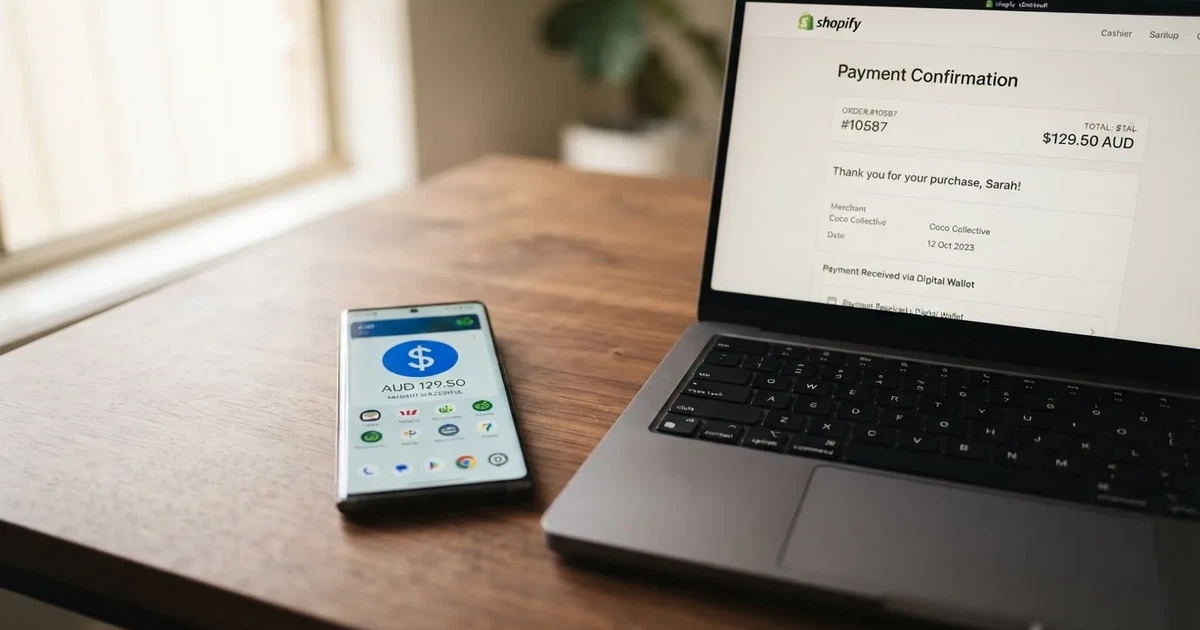
What follows is not a ranking and not a shortlist of places to play. It is an account of what the search actually returns, what the Australian regulator has done about it, and what happens to a deposit when the site a punter sends it to sits outside any local protection.
Table of Contents
- The shape of the market, and why the topic oversells it
- The ACMA’s blocking programme, and the arithmetic behind it
- What a “formal warning” actually means
- How much Australians actually lose to offshore sites
- How Apple Pay itself behaves at these sites
- The bank side: gambling blocks and what they actually stop
- What is and is not a legal payment route in Australia
- The legal side, set against the offer
- Responsible gambling, and why BetStop does not cover this market
- The honest comparison table: what the ACMA has actually done
- The operators the ACMA has acted against
- What the comparisons in the table actually show
- Sums a reader should not have to work out
- The framing a reader should keep
- Frequently asked questions
The shape of the market, and why the topic oversells it
The phrase “Apple Pay casino Australia” describes a category that, in the strict regulatory sense, does not exist. Dozens of offshore sites display Apple Pay among their accepted methods, and an Australian cardholder with a debit card loaded into the wallet can in most cases produce a deposit. The transaction goes through, the balance appears, the games load. None of that changes the legal frame the operator sits inside.

The Interactive Gambling Act 2001, strengthened by the 2017 amendments, makes it an offence to provide online casino games, online pokies or in-play betting to a person physically in Australia. No state or territory issues a licence for those products. What Australia does license is wagering on races and sport placed before the event, lotteries, and keno — the territory-level regulatory work the Northern Territory Racing and Wagering Commission carries out across 52 online bookmakers including Sportsbet, Bet365 and Ladbrokes. The commission has no full-time staff and meets monthly in Darwin, a fact that surprises readers who expect a casino regulator of comparable weight.
Against that frame, every Apple Pay casino site an Australian punter can reach is, by definition, an offshore operator without an Australian licence. Some carry Curaçao, Anjouan or Kahnawake credentials issued by the jurisdictions that license them, and some carry none at all. The IGA does not turn on whether the site advertises a real licence — it turns on whether the activity is the activity the Act covers. Online casino games are covered. The Apple Pay logo is irrelevant to that question, and treating it as relevant is the mistake most of the comparison pages on this subject make.
The ACMA’s blocking programme, and the arithmetic behind it
Enforcement against this category runs through the Australian Communications and Media Authority. The ACMA investigates complaints, issues formal warnings to operators, and directs Australian internet service providers to block offending sites at the network level. The headline figure the regulator publishes is a running total: by the end of the round reported on 26 June 2026, 1,751 illegal gambling and affiliate marketing websites had been blocked since the first blocking request in November 2019, and more than 230 unlicensed gambling services had withdrawn from the Australian market since enforcement was strengthened in 2017.
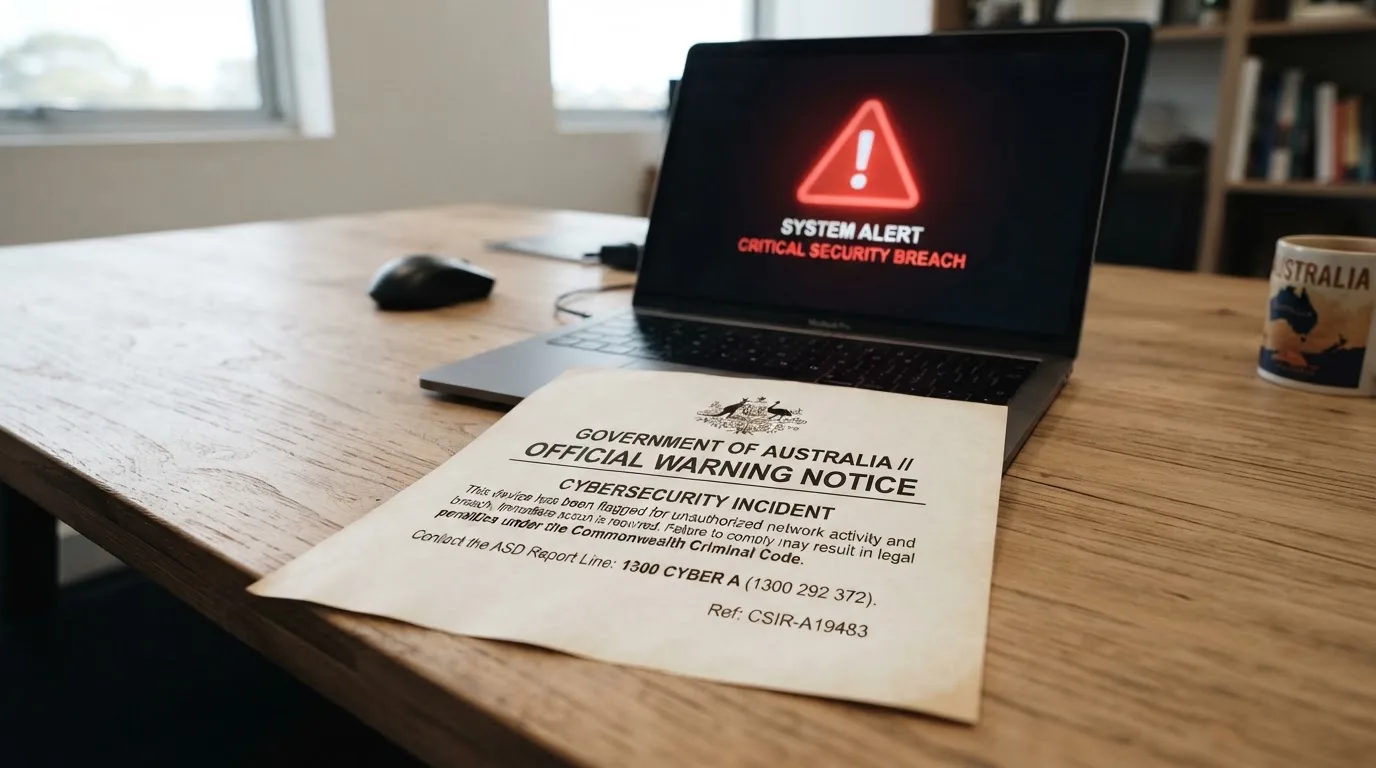
That last figure is worth a pause. It is not a count of arrests or convictions — the IGA targets the provider, not the player. It is a count of operators who, after the ACMA’s intervention, decided the Australian market was no longer worth the regulatory exposure and left it voluntarily. Either way, the regulator is removing sites faster than they are appearing, and the arithmetic is the core of the analysis.
The blocking rate, set against the start of the programme, gives a sense of the scale. The first blocking request went out in November 2019; the cumulative count reached 1,751 by late June 2026, a span of roughly six and a half years. That works out to somewhere in the order of 270 blocked or removed sites per year on average — though the pace has not been constant. The early years of the programme covered a backlog of long-established offshore brands; later rounds increasingly consist of mirror domains and skins that reappear under a new name weeks after the previous one is blocked. The honest summary is a band rather than a fixed rate: the ACMA has averaged several hundred actions a year since 2019, but in any given month the count can swing widely, and the mix has shifted from unique operators to replacements and clones.
The June 2026 round itself added twelve names to the block list: 7Signs, ChromaBet, Donbet, Duospin, Freshbet, Slots Gem, Jacks Club, Lucky Start, Pointsbetz.com, Spinrise, Vinyl Casino and Wildsino. That is one month’s work. The list is not a catalogue of the worst offenders — it is what fits into one set of notices.
What a “formal warning” actually means
The ACMA’s enforcement ladder has three rungs worth knowing. First, a formal warning is published on the regulator’s website, naming the operator entity behind a brand and the Australian-facing URL the warning relates to. Second, the ACMA can direct Australian ISPs to block access to the offending domain. Third, civil penalty proceedings can follow for operators that continue to offer prohibited services after a warning.
The warnings listed below are not allegations that the named companies have committed a crime in the conventional sense — they are formal notices that, in the ACMA’s view, the Interactive Gambling Act 2001 has been breached by the offering of prohibited interactive gambling services to Australians. Several of the operators named have multiple brands and have been warned more than once across different skins, which is itself a pattern worth naming.
The published warnings that matter for this page are these, in chronological order:
- Hollycorn N.V., covering Sky Crown and Blue Leo — formal warning published by the ACMA, September 2022.
- Dama N.V., covering Bambet, Dazard, Level Up, Rocketplay, Wild Tornado and Cobra Casinos — formal warning, May 2022.
- TechSolutions (CY) Group Limited and TechSolutions Group N.V., covering Bizzo Casino — formal warning, 2022.
- Dama N.V., covering Woo Casino — formal warning, March 2025.
- Sterplay Holding Ltd, covering Casino Intense — formal warning, April 2025.
- EOD Code SRL, covering Instant Casino — formal warning, February 2025.
- Dama N.V., covering Spirit Casino — formal warning, May 2025.
- Bamboo Media, covering Ignition Casino — formal warning, July 2025.
- Consolutetish S.R.L., covering National Casino and Bizzo Casino — formal warning, July 2025; the second formal warning tied to Bizzo Casino since 2022.
- Ryker B.V., covering Jackbit and CasinOK — formal warning, April 2026.
- Pulsup Ltd, covering Rocketplay.com.au — formal warning, March 2026; the second formal warning over the Rocketplay brand since 2022.
Three operators in that list recur: Dama N.V. has been warned three times across different brands in three years, Consolutetish S.R.L. has been named over two brands in the same round, and Bizzo Casino has now attracted two formal warnings from two different operator entities. A brand that has been the subject of more than one ACMA warning is not a brand the regulator has decided to leave alone; it is a brand the regulator has decided to keep warning.
How much Australians actually lose to offshore sites
The volume of money the prohibited market moves is not a guess. H2 Gambling Capital’s 2025 report estimates that Australians lose about A$3.9 billion a year to illegal gambling sites, and that the share of gambling going through legal channels fell from 74% in 2021 to 64% over the period the report covers. A ten-point drop in the legal share, against a roughly stable total gambling spend, is exactly what an enforcement programme that closes legal wagering routes without closing illegal ones would predict. The legal channel shrinks not because Australians are gambling less but because more of what they gamble on sits in the offshore part of the market.
A$3.9 billion is also a useful figure to set against the A$10 minimum deposit most Apple Pay casino sites advertise. The minimum deposit is the entry point of the funnel; the A$3.9 billion is where the funnel ends. Between those two numbers sits every figure that makes the comparison worth writing: an A$10 deposit cleared against an A$247,500 civil penalty ceiling, an A$10 deposit that a bank block refuses to authorise on the second attempt, an A$10 deposit that lands on a site the ACMA has just added to the block list.
How Apple Pay itself behaves at these sites
The mechanics of the payment are simple on the surface. An Australian punter with a debit or credit card loaded into Apple Pay selects Apple Pay at the cashier, confirms with Face ID or Touch ID, and the deposit is authorised through the card network against the card’s issuing bank. The site credits the balance in the currency it operates in — usually USD or EUR — and any conversion happens at the wallet’s rate plus the card issuer’s foreign transaction fee.
Two details matter more than they look. The first is who decides whether the transaction goes through. Apple does not charge consumers for using Apple Pay in stores, online or in apps, and any surcharge comes from the merchant’s own card-processing fees rather than from Apple. Transaction limits and PIN requirements for Apple Pay purchases are set by the card issuer or merchant, not by Apple itself, which means the gambling block the punter’s bank offers sits in the path of the authorisation, not in the wallet. The second is what happens when the issuing bank is Australian. By the end of 2025, Apple Pay, Google Pay and Samsung Pay transactions collectively accounted for around 45% of all card payments in Australia by number — meaning roughly half the time an Australian punter reaches for their phone at an offshore cashier, the bank on the other side of the transaction is one of the four majors that has spent the last several years building gambling blocks into its card products.
The bank side: gambling blocks and what they actually stop
Three of the four major Australian banks now offer some form of card-level gambling transaction block, and each behaves slightly differently.
Westpac’s gambling block works at the card level: it refuses authorisation of transactions registered under the merchant category code “Betting/Casino Gambling” on eligible personal credit and debit cards. Once the block is on, transactions routed through Apple Pay or Google Pay against the same card are refused at the authorisation step, because the merchant category code does not change when the card is presented through a wallet. The block is opt-in and reversible, and a customer who turns it off does so for every card the block covers.
ANZ’s gambling transaction block, activated in the ANZ app, also blocks gambling transactions made through a digital wallet such as Apple Pay on an eligible card, not just the physical card. Once a customer turns on ANZ’s gambling block, removing it again requires a 48-hour waiting period, and the bank warns that not all gambling transactions will be blocked and some non-gambling transactions might be blocked in error. The 48-hour cooling-off period is the most consequential detail in the bank’s documentation — it converts the block from a setting into a commitment, and a punter who turns it off in a moment of intent cannot reverse that decision for two days.
Commonwealth Bank lets customers apply a gambling lock to eligible cards via the CommBank app, which automatically blocks most gambling transactions, though the bank states it cannot guarantee all gambling-related purchases will be stopped. The hedge is worth quoting: “most” is not “all”, and a cardholder relying on the CommBank lock to refuse every gambling authorisation will find, occasionally, that a transaction the block was meant to refuse has gone through.
The cumulative effect of these three blocks is that an Australian punter using Apple Pay at an offshore site is, in a meaningful share of cases, attempting a transaction that their own bank has been instructed to refuse. The transaction may still go through if the merchant category code is miscoded, if the wallet is loaded with a card from a bank without a comparable block, or if the punter has turned the block off. The point is not that the blocks catch every transaction; it is that they catch enough of them to change the calculus of the deposit.
What is and is not a legal payment route in Australia
Under the Interactive Gambling Act 2001 as amended in 2023, Australian-licensed online wagering services cannot accept payment by credit card or other credit-related products, a restriction that also constrains gambling use of linked digital wallets like Apple Pay. The amendment took effect on 11 June 2024, and the civil penalty for an operator accepting a prohibited payment is up to A$247,500. Digital currency sits in the same restricted category as credit for licensed operators. The legal deposit routes for an Australian-licensed wagering service are debit card, bank transfer, PayID/Osko and BPAY.
That last list is worth keeping in mind, because it tells a reader what the licensed half of the market looks like. PayID lets a payer send money to a BSB and account number or to a PayID, and the name of the account holder appears before the transfer is sent. AP+ warns that being asked to transfer money to a PayID on an illegal gambling site almost certainly means a scam site. PayID-based instant transfers are available at over 100 Australian financial institutions. Osko, the instant overlay that sits on top of the New Payments Platform, arrives in under a minute 24/7 including weekends.
BPAY sits in the same frame. It is a bill-payment service in online banking; the payer enters the Biller Code and the Customer Reference Number printed on the bill. It has operated in Australia since 1997, is available in the online banking of over 140 banks and financial institutions, and is offered by over 95,000 businesses. Both PayID/Osko and BPAY are run by Australian Payments Plus (AP+). Neither is offered by an offshore Apple Pay casino — the licensed wagering market is the only market those routes cover, and the licensed wagering market does not include online casino games.
The implication is direct. A punter using Apple Pay at an offshore casino is, in every meaningful sense, paying through a wallet rather than through a domestic real-time rail, and the wallet is presenting a card the punter’s bank may already be configured to refuse.
The legal side, set against the offer
The hard legal position, in one paragraph, is this. Online casino games and online pokies cannot be licensed anywhere in Australia, whatever licence the offshore site displays in its footer. The Interactive Gambling Act 2001 targets the provider, not the player; an Australian punter using Apple Pay at an offshore site is not committing an offence by doing so, but is sending money to a service that has no Australian regulatory oversight. If the site refuses a withdrawal, the punter has no Australian complaints body to approach. If the site is blocked while a balance sits on it, the punter has no Australian process for recovering it. If the operator disappears, the punter has no Australian avenue for tracing the funds. The Interactive Gambling Amendment (Gambling Reform) Bill 2026 passed Parliament on 19 August 2026, and its advertising and inducement measures commence 1 January 2027 — law with a start date, not yet in force on a 2026 page.
The Australian Communications and Media Authority’s blocking programme is the operative form of that prohibition at the network level. The 1,751 sites blocked since November 2019 and the 230-plus operators that have left the market since 2017 are not statistical curiosities — they are the visible edge of an enforcement programme that closes one route as another opens. A site an Australian punter opens in the morning may be on the ACMA’s block list by the afternoon, and the block sits at the ISP rather than at the device, which means the punter’s own browser is not where the access refusal happens.
A site that displays a Curaçao or Anjouan licence in its footer is not, by virtue of that display, authorised to serve Australian residents. The IGA does not recognise foreign licences for prohibited products. A punter treating the foreign licence as evidence of safety is reading a document the Australian regulator has decided is not the right document to read.
Responsible gambling, and why BetStop does not cover this market
The Australian framework for player protection runs through three named channels, and only one of them reaches the offshore Apple Pay casino at all.
BetStop, the National Self-Exclusion Register, has been live since August 2023 and binds Australian-licensed online and phone wagering services. A punter who registers with BetStop instructs every licensed Australian operator to refuse their wagering business for the period of exclusion they choose. The mechanism works because every licensed operator is connected to the register and is required by its licence conditions to honour an active exclusion. An offshore casino is not connected to BetStop. Registering with BetStop does not prevent an offshore site from accepting a deposit from the registered punter, because the offshore site has no obligation to consult the register and no licence that would be at risk if it did.
The National Gambling Helpline at 1800 858 858 is free, 24/7, with chat available through Gambling Help Online. Both services are funded by the Australian government and both are accessible to anyone in Australia regardless of where they gamble. They are the right services for a punter who finds that offshore play has moved from entertainment into something else.
The bank-level gambling blocks sit in the same protection frame. Westpac, ANZ and Commonwealth Bank each offer an opt-in block that refuses authorisation of gambling transactions at the merchant category code level. The blocks are not perfect (CommBank says “most” rather than “all”), they do not stop a punter who has loaded a card from a bank without a comparable block, and they do not stop a punter who has turned them off. But for a punter who turns them on and leaves them on, they convert the wallet into a closed surface for the category of transaction the IGA was written about.
The honest comparison table: what the ACMA has actually done
The table below lists the operators this page examines, the formal warning the ACMA has issued over each, the operator entity named in that warning, and what the public record carries on Apple Pay support. The brand column reads as a shortlist of places to avoid; the row’s purpose is the opposite — it is the set of brands the Australian regulator has decided to act against, and reading it as a buyer’s guide is the misunderstanding the table is written to head off.
The Apple Pay column needs reading carefully. “Listings” means third-party listings name the brand as Apple Pay-accepting, without the operator itself confirming it on its own page; “no-data” means neither the operator’s own materials nor the listings research consulted carry an Apple Pay entry for this brand. In both cases, the row’s regulatory status is unchanged: the ACMA has formally warned over the brand, the product offered is prohibited in Australia, and an Apple Pay logo in a cashier does not convert a prohibited product into a licensed one.
| Brand | ACMA action and date | Operator named by the ACMA | Apple Pay support |
|---|---|---|---|
| RocketPlay | Formal warning, March 2026 (earlier Dama N.V. warning, May 2022) | Pulsup Ltd | — |
| Level Up Casino | Formal warning, May 2022 | Dama N.V. | listings-only |
| Woo Casino | Formal warning, March 2025 | Dama N.V. | — |
| Spirit Casino | Formal warning, May 2025 | Dama N.V. | — |
| National Casino | Formal warning, July 2025 | Consolutetish S.R.L. | listings-only |
| Bizzo Casino | Formal warning, July 2025 (earlier TechSolutions, 2022) | Consolutetish S.R.L. | — |
| Ignition Casino | Formal warning, July 2025 | Bamboo Media | — |
| Instant Casino | Formal warning, February 2025 | EOD Code SRL | listings-only |
| Jackbit | Formal warning, April 2026 | Ryker B.V. | — |
| Casino Intense | Formal warning, April 2025 | Sterplay Holding Ltd | listings-only |
| Sky Crown | Formal warning, September 2022 | Hollycorn N.V. | — |
Three observations from the table are worth pulling out into prose, because the table itself does not say them. First, the ACMA’s actions are spread evenly across the past four years — the regulator is not concentrating on a particular cohort, it is warning as new brands appear. Second, the operators behind the brands cluster heavily: Dama N.V. alone accounts for four entries across the table, and Consolutetish S.R.L. and Hollycorn N.V. each account for two. The brand churn in the offshore market is not matched by operator-entity churn. Third, every entry sits under the same product-prohibition finding, which means the ACMA’s intervention is not a judgement about one brand’s conduct so much as it is a finding about an entire product category. The product is the problem; the brand is the example.
The operators the ACMA has acted against
What follows is the operator-by-operator reading the table invites. Each entry is not a recommendation and not a write-up of the offer; it is what the public record carries on the brand and what that record means for a punter considering sending money to it. The verdicts close on what the block above each one actually established.
RocketPlay
Two formal warnings cover the Rocketplay brand, and the second one is roughly four years after the first. The May 2022 warning named Dama N.V. across six brands including Rocketplay; the March 2026 warning named Pulsup Ltd specifically for the Rocketplay.com.au URL. The fact that the ACMA has had to warn the brand twice under two different operator entities is the relevant fact about Rocketplay, and it is the reason this page treats it first. A brand that has attracted regulator attention under more than one corporate parent is not a brand that has learned from the first intervention.
The verdict on RocketPlay is plain. A punter opening the site today is looking at a brand the Australian regulator has formally warned over in the last six months, and the IGA has not changed in the meantime.
Level Up Casino
The May 2022 ACMA warning over Level Up Casino named Dama N.V., the same operator entity that reappears in three later warnings in this table. Public listings carry Level Up Casino as an Apple Pay-accepting brand, though the operator’s own materials do not confirm the listing. The 2022 date sits at the front of the warning series, which means Level Up Casino is among the brands that established the regulator’s pattern of formal warnings.
A punter looking at Level Up Casino today is looking at a brand that has been on the ACMA’s radar since 2022 and is operated by an entity the regulator has warned four times since. The relevant fact is the operator-entity name on the warning, not the brand on the site.
Woo Casino
The March 2025 ACMA warning named Dama N.V. over Woo Casino, and the May 2025 warning named the same operator over Spirit Casino. Two warnings, two months apart, the same operator entity, two different brands. The regulator is treating the Woo Casino and Spirit Casino skins as separate formal warnings, which means Dama N.V. has not been allowed to consolidate the Dama portfolio into a single intervention.
For a punter, Woo Casino reads as a brand whose operator has accumulated four formal warnings over four years across different skins. The site that appears in a search result is one of those skins; the operator entity is the constant.
Spirit Casino
The May 2025 warning over Spirit Casino is the second of the two Dama N.V. warnings in 2025. The pattern across the two warnings is informative: Woo Casino and Spirit Casino operate on similar terms, share the same corporate parent, and have been warned two months apart, which suggests the ACMA is treating each skin as its own intervention rather than folding the lot into one.
A punter reading the Spirit Casino review pages will find a site that looks operationally similar to Woo Casino. The regulator’s view is that the two are different formal warnings.
National Casino
The July 2025 ACMA warning named Consolutetish S.R.L. over National Casino and over Bizzo Casino in the same round. National Casino is the brand in the warning that has not been the subject of a prior ACMA intervention, which is the relevant distinction between it and Bizzo Casino. The product is the same in both cases — prohibited interactive gambling services offered to Australians — and the formal warning is the regulator’s published view on the offering.
Public listings name National Casino as accepting Apple Pay; the operator’s own materials do not confirm the listing. The verdict for a punter is the same as for any brand on this list: the product is prohibited, the regulator has said so.
Bizzo Casino
Bizzo Casino has been the subject of two formal ACMA warnings under two different operator entities. The 2022 warning named TechSolutions (CY) Group Limited and TechSolutions Group N.V.; the July 2025 warning named Consolutetish S.R.L. A brand that has been warned twice under different operator names over three years is not a brand that has resolved the issue the regulator raised the first time.
The reader looking at Bizzo Casino today is looking at a brand the regulator has treated as an enforcement target under more than one corporate owner. The product remains prohibited.
Ignition Casino
The July 2025 ACMA warning named Bamboo Media over Ignition Casino. Ignition Casino is a poker-and-casino brand that has historically operated offshore, and the ACMA’s formal warning sits in the same enforcement pattern as the rest of the table: the product offered is prohibited, the offering is to Australians, the regulator has formally said so.
The Apple Pay support entry for Ignition Casino is empty, which means neither the operator’s own materials nor the listings research consulted carry an Apple Pay entry for this brand. The point of including it is the ACMA warning, not the payment method.
Instant Casino
The February 2025 ACMA warning named EOD Code SRL over Instant Casino. Public listings name Instant Casino as accepting Apple Pay, alongside PayID references that are out of place on a site serving customers outside Australia. The combination — an offshore casino using a domestic instant-payment name in its deposit page — is the kind of detail that suggests the listing is curated for Australian search traffic.
The verdict on Instant Casino is that the ACMA’s February 2025 warning is the most recent public action, the operator entity is small enough that the warning is one of very few interventions under that name, and the product is prohibited either way.
Jackbit
The April 2026 ACMA warning named Ryker B.V. over Jackbit and CasinOK. Ryker B.V. is a Curaçao-registered entity, and the warning is the first ACMA action against this operator name in the public record. Jackbit sits in the recent end of the timeline, which means the regulator’s intervention is current.
A punter opening Jackbit in 2026 is opening a brand that has been on the ACMA’s list for under six months. That is the relevant fact.
Casino Intense
The April 2025 ACMA warning named Sterplay Holding Ltd over Casino Intense. Public listings name Casino Intense as accepting Apple Pay, alongside AUSTRAC and Australian banking references that are unusual for an offshore casino site. The combination of an offshore operator listing Australian regulatory names in its deposit page tells the reader what the listing is doing: it is being curated for Australian search traffic.
The verdict is unchanged. Casino Intense is on the ACMA’s list, the product is prohibited, and the listing’s use of Australian payment names does not change the product’s legal status.
Sky Crown
The ACMA’s formal warning to Hollycorn N.V. over Sky Crown and Blue Leo is the earliest entry in the table. Hollycorn N.V. is a Curaçao-registered operator that runs a portfolio of casino brands, and the September 2022 warning predates the rest of the enforcement pattern this page covers. A brand the regulator warned in 2022 has had three years to adjust its Australian-facing offering; the fact that the brand still appears in searches suggests it has not.
The Apple Pay support entry for Sky Crown is empty, which means neither the operator’s own materials nor the listings research consulted carry an Apple Pay entry for this brand. The relevant column for this row is the ACMA action, not the payment method.
What the comparisons in the table actually show
Read across the eleven rows, three patterns dominate. The first is the recurrence of operator entities: Dama N.V. appears four times, Consolutetish S.R.L. twice, Hollycorn N.V. twice, and the rest once each. The brand surface in the offshore market is broader than the corporate surface beneath it, which means a punter who has decided to avoid a particular operator entity has to recognise several brand names, not one.
The second pattern is the chronological spread: the table runs from September 2022 at the earliest entry to April 2026 at the most recent, with no year in that range untouched. The ACMA has been issuing warnings at roughly the same pace across the four-year window, which means the regulator is treating new entrants and re-establishment warnings with comparable seriousness.
The third pattern is the emptiness of the Apple Pay column. Only four of the eleven brands appear in third-party listings as Apple Pay-accepting, and the operator’s own materials confirm none of them. The implication is direct: an Australian punter searching for an Apple Pay casino site will find sites that do not advertise Apple Pay themselves, listed by third-party aggregators that have an interest in the search traffic. The cashier page is where the wallet decision is made, and the listings are not a reliable map of what the cashier offers.
Sums a reader should not have to work out
A few of the comparisons above invite arithmetic, and the arithmetic is worth doing once on the page rather than asking the reader to do it twice.
Set the A$10 minimum deposit most offshore Apple Pay casino sites advertise against the A$247,500 civil penalty ceiling the IGA carries for an operator accepting a prohibited payment. The penalty applies per offence, and an Australian-facing site accepting thousands of deposits a day accumulates exposure at a rate no affiliate-marketing page describes. The minimum deposit is the size of the funnel; the penalty is the size of the risk the operator is taking at the other end. Between the two numbers, the only honest summary is that the operator has decided the A$3.9 billion the illegal market moves is worth the regulatory cost of being on the ACMA’s block list.
Set the A$3.9 billion in annual losses to illegal sites against the A$10 minimum deposit. The minimum deposit is not what the illegal market earns; it is what it costs the punter to enter the funnel. The A$3.9 billion is what the funnel extracts across an Australian gambling population of several million active offshore customers. The per-punter average is several hundred dollars a year, which is the meaningful comparison to make — an A$10 deposit is the smallest possible entry, and the meaningful question is what the average punter is leaving at the cashier over a year.
Set the 1,751 sites blocked since November 2019 against the 230-plus operators who have left the market since 2017. The site count and the operator count do not move together — the site count rises with mirror domains and replacement skins, the operator count rises when a parent entity decides Australia is no longer worth the exposure. The two figures together describe a market that is being closed off faster than it can rebrand, but not closed off completely. A punter searching in 2026 is searching in a market that has been pruned, not in a market that has been cleared.
The framing a reader should keep
A punter deciding whether to deposit with Apple Pay at any offshore casino is making a decision the legal frame has already made. The product is prohibited, the regulator has formally said so, the operator has accumulated exposure at the rate the penalty ceiling implies, and the punter’s own bank is increasingly configured to refuse the authorisation at the merchant category code. The decision the punter is making is whether to participate in a market the Australian framework has decided not to license.
For a punter who has decided to participate, the relevant protections are the bank-level gambling block, the National Gambling Helpline, and the operator’s own withdrawal process — in that order. The block stops the deposit at the authorisation step. The helpline is reachable at 1800 858 858 or through Gambling Help Online. The withdrawal process sits inside the operator’s own terms, and outside any Australian complaint mechanism. None of those protections requires the punter to trust the operator; the bank block and the helpline operate without the operator’s cooperation.
For a punter who has decided not to participate, the licensed wagering market is the only Australian-licensed alternative, and that market does not include online casino games or online pokies. The licensed market covers wagering on races and sport before the event, lotteries, and keno. A reader looking for a casino experience is looking for something the licensed Australian market does not offer at all.
The Apple Pay logo in an offshore cashier is, in the end, the least interesting thing about the page. The wallet is a payment rail; the rail does not decide whether the product is licensed. The product is not licensed, the regulator has formally said so across at least eleven named brands in the past four years, and the A$3.9 billion the illegal market extracts each year is the figure that sits behind every Apple Pay logo the search returns.
Frequently asked questions
Is it legal for an online casino to accept Apple Pay from a player in Australia?
No. The Interactive Gambling Act 2001 makes it an offence to provide online casino games or online pokies to a person in Australia, and no state or territory issues a licence for those products. The Apple Pay logo in an offshore cashier does not change the legal status of the product being offered. The IGA targets the provider; an Australian punter is not prosecuted for using the site.
What is the smallest deposit an Apple Pay casino site usually asks for?
The minimum deposit most offshore Apple Pay casino sites advertise is A$10, set against a deposit currency that is usually USD or EUR. The minimum is the entry point of the funnel; the A$3.9 billion H2 Gambling Capital’s 2025 report estimates Australians lose annually to illegal gambling sites is what the funnel extracts. The minimum is small because the funnel is designed to be easy to enter.
Does an Apple Pay withdrawal clear faster than a card withdrawal at these sites?
An Apple Pay withdrawal is a card withdrawal at the network level — the wallet presents a card, and the operator credits the card. The speed of the credit depends on the operator’s own manual checks, not on the wallet. Where an operator advertises faster withdrawals via Apple Pay, the speed reflects the operator’s internal processing rather than the payment rail. Australian real-time rails like PayID and Osko are not available on offshore Apple Pay casino sites; those rails are restricted to Australian-licensed services.
Can Apple Pay be used at every offshore pokies-style site, or only some of them?
Apple Pay support at offshore casinos varies by operator. Some sites list Apple Pay in their cashier, some do not, and some third-party listings name the wallet for sites the operator’s own materials do not mention. The legal status of the product is unchanged in either case. The page’s table lists eleven brands the ACMA has formally warned over, and only four of them appear in third-party listings as Apple Pay-accepting.
Does depositing with Apple Pay add an extra fee at these casino sites?
Apple does not charge consumers for using Apple Pay in stores, online or in apps; any surcharge comes from the merchant’s card-processing fees rather than from Apple. The fee a punter sees at an offshore Apple Pay casino is the operator’s own fee, set in the site’s terms. The Reserve Bank of Australia’s July 2025 review proposes removing surcharges only on eftpos, Mastercard and Visa card transactions, explicitly leaving American Express outside the scope of the proposed surcharge ban, which is a separate question from the surcharge an offshore casino applies.
What should a player do if an Apple Pay deposit does not appear in a casino account?
The first check is whether the issuing bank has applied a gambling transaction block. Westpac, ANZ and Commonwealth Bank each offer opt-in blocks that refuse authorisation at the merchant category code level, and an Apple Pay transaction against a blocked card will not reach the casino. If the card is not blocked, the next check is whether the operator’s cashier has credited the balance — some operators hold deposits in a pending state until the card authorisation is fully settled. If neither explains the absence, the punter is in the position the Australian framework has warned about: a deposit to an offshore operator, with no Australian complaints body to approach. The National Gambling Helpline at 1800 858 858 is the right service for a punter who finds the situation has moved past the technical question.