
The cost of a ‘PayID pokies no-deposit bonus’ for Australian readers in 2026
Data current as of 20 October 2026 and verified against the ACMA’s published register of formal warnings.
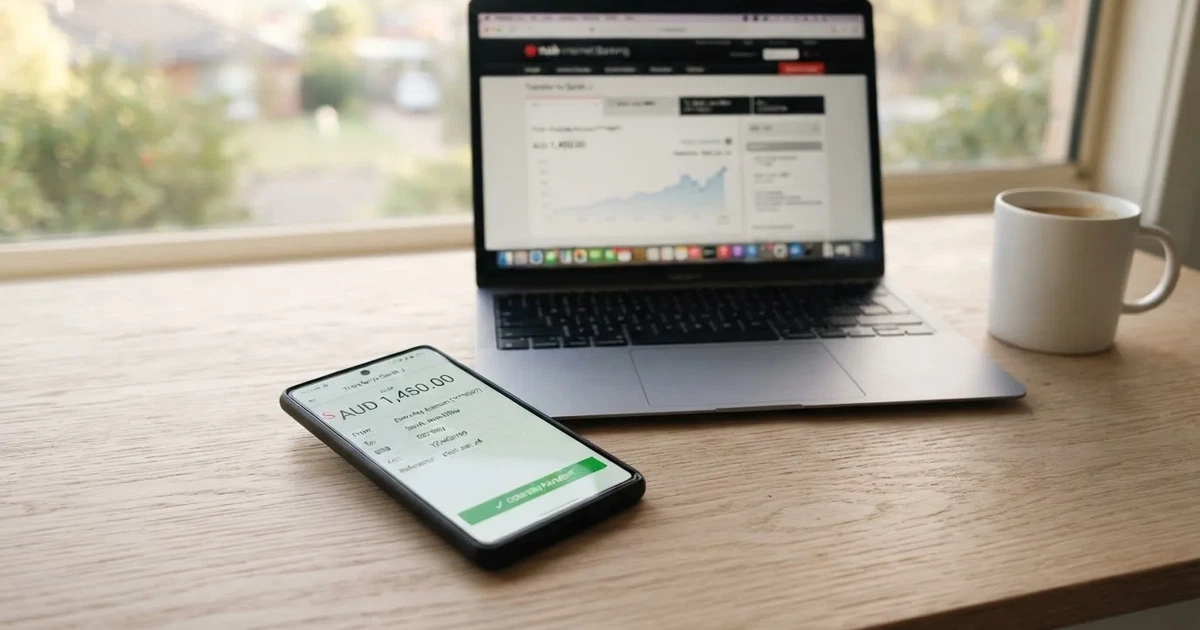
The phrase does a lot of work in a small space. “PayID” is the address book Australians have built into their banking app. “Pokies” is the local word for the spinning-reel games. “No-deposit bonus” is the offshore marketing wrapper that promises free play without funding an account. Put them together and the listing sounds like a domestic shortcut. The reality is older and uglier: every operator that markets this combination to an Australian sits outside Australian law, and the warnings the Australian Communications and Media Authority has already issued to several of them are the only authoritative record the market has.
This page is written for the reader who saw the offer, wondered whether PayID makes it any safer, and wants to know what the legal frame actually allows before deciding what to do next. The short version sits two paragraphs above. The long version is the rest of the page.
Table of Contents
- The settlement pipeline: how PayID actually clears a payment
- The fundamental prohibition: what the Interactive Gambling Act blocks
- Where to turn instead: the help that actually applies
- The prohibited payment route: PayID, Osko and the cost of a fast rail
- The landscape: 11 brands the ACMA has warned, side by side
- Common signs of a ‘no-deposit’ scam
- Operator write-ups: what each ACMA warning actually covers
- The arithmetic of enforcement: how many sites, and at what pace
- Frequently asked questions
The settlement pipeline: how PayID actually clears a payment
PayID itself is not the offer. It is the rails the offer claims to run on, and what PayID actually does is unspectacular and useful. A PayID is an easy-to-remember identifier — a mobile number, an email address, an Australian Business Number or an Organisation Identifier — that Australian Payments Plus, the country’s domestic payments provider, links to a bank account held at one of more than 100 Australian financial institutions. By April 2025 there were more than 25 million registered PayIDs in the country. When a payer types the identifier into their own banking app, the app shows the name of the recipient before the transfer is sent; that is the check the system is built around, the same check that protects against mistaken payments and against the scam patterns AP+ now describes under the name “scambling.”
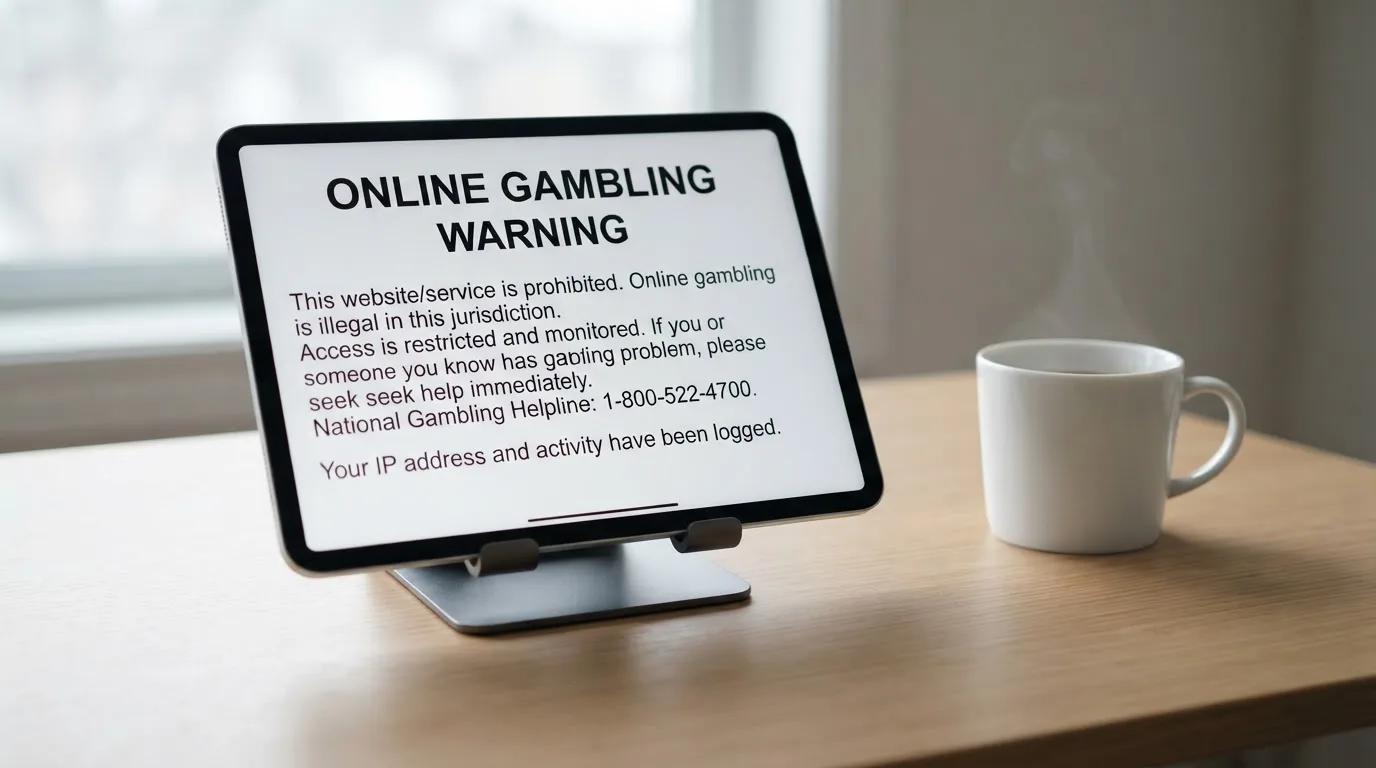
This is genuinely convenient technology. PayID sits on top of Australia’s New Payments Platform, which launched in February 2018 to move money between accounts in close to real time, twenty-four hours a day. Through Osko, the brand name for the instant part of the NPP, a transfer between participating banks typically clears in under a minute, weekends included, regardless of whether the addressee is a BSB-and-account-number pair or a PayID. The Reserve Bank of Australia regulates and oversees the platform, and the same RBA operates the Fast Settlement Service that settles individual NPP transactions in close to real time around the clock. None of that is the issue.
The issue is what an offshore “payid pokies no deposit bonus” page is actually selling, and how the rails get used. A no-deposit bonus, in the form that has been marketed to Australians for the better part of two decades, is a credit the casino site adds to a new account so the punter can play before funding it. The credit is usually small — a handful of dollars in bonus money, a few dozen free spins on a named pokie, or both — and the bonus carries a list of conditions that look technical until you read them slowly. Wagering requirements. Maximum cashout caps. Game weighting. Expiry windows. Country exclusions. The conditions are the product; the headline number is the wrapping. What an Australian reader sees, when an offshore site pairs PayID with this kind of credit, is a wrapper that hides the offshore operator behind a familiar Australian address system. The site asks for a PayID in the cashier because the deposit rail is cheaper and faster for the operator than a card processor would be. The “no deposit” part is the marketing claim, not a fact about the cashier.
The mechanics of scambling — AP+’s own term for the category — sit exactly here. AP+ warns directly: “If you are asked to transfer funds to a PayID on an illegal gambling site, it is almost certainly a scambling website.” The full definition runs that scambling sites are illegal online gambling platforms advertised on social media and messaging apps that trick people into gambling on a scam website. PayID itself never contacts a customer, never asks anyone to send money to receive money, and never asks for an “upgrade.” A page that asks an Australian for a PayID to claim a no-deposit credit is, on AP+’s own reading, almost certainly operating from outside the law.
That is why the page continues. The next sections work out what the law actually prohibits, where Australians can turn for help, how the payment route looks under Australian rules, and which operators the ACMA has already named in formal warnings over exactly this kind of offer. The structure is the cost: legal exposure first, then the help that exists, then the rail, then the operators the regulator has caught.
The fundamental prohibition: what the Interactive Gambling Act blocks
No state or territory in Australia licenses an online casino game, an online pokie or in-play betting for Australians. The Interactive Gambling Act 2001, strengthened by the Interactive Gambling Amendment Act 2017, makes the supply of those services to a person physically in Australia an offence. What is licensed is wagering on racing and sporting events placed before the event, lotteries and keno — in practice licensed through the Northern Territory Racing and Wagering Commission, the body the ABC has described as a de facto national regulator because it covers 52 of Australia’s online bookmakers, including Sportsbet, Bet365 and Ladbrokes, with no full-time staff and a once-a-month meeting in Darwin. An online casino offering spinning-reel games to Australians, no matter how it styles itself or what licence badge it carries, is operating outside that frame. The licence on the footer of an offshore site is real in the country that issued it. It is not a permission to take bets from a person sitting in Sydney.

The regulator that does the enforcing is the ACMA — the Australian Communications and Media Authority. Its tools are threefold. It investigates complaints. It issues formal warnings naming the operator and the brand. And it directs Australian internet service providers to block illegal sites at the network edge. According to the ACMA as reported in June 2026, a total of 1,751 illegal gambling and affiliate marketing websites had been blocked since the first blocking request in November 2019, and more than 230 unlicensed gambling services had left the Australian market since enforcement was strengthened in 2017. The June 2026 round alone added 12 sites to the blocked list: 7Signs, ChromaBet, Donbet, Duospin, Freshbet, Slots Gem, Jacks Club, Lucky Start, a gambling site, Spinrise, Vinyl Casino and Wildsino.
What that enforcement actually costs the Australian public is the part of the story the offer pages skip. H2 Gambling Capital’s 2025 report estimates that Australians lose about A$3.9 billion a year to illegal gambling sites, and that the share of gambling going through legal channels fell from 74 per cent in 2021 to 64 per cent. A reader who clicked through to an offshore PayID pokies no-deposit bonus page is, statistically, one of those losses. The “no deposit” framing makes the entry point feel free. The arithmetic, when the wagering conditions are met, looks the way the conditions make it look. The block list is the regulator’s own answer to a market that did not self-correct.
Several recent warnings sit in plain sight on the ACMA register. Casino Intense was named in April 2025 under Sterplay Holding Ltd; RocketPlay returned under Pulsup Ltd in March 2026, three and a half years after the same brand was named under Dama N.V. in May 2022. The pattern matters more than any single warning: the regulator catches the brand, the brand moves, the warning lands again.
The individual player is not the target of the law. The IGA goes after the provider, not the punter. That detail is often quoted as if it cleared the player of any exposure. It does not. An offshore site gives no Australian consumer protection, no complaints body and no recourse if a withdrawal is refused or a balance is held. The site can be blocked while there is still money on it, and the ACMA has no power to order a payout. The deposit the player thought they were not making — and the bonus the marketing copy promised were free — become the player’s loss, on a site whose jurisdiction is somewhere else.
The legal frame changed again in 2026, on a date worth knowing. The Interactive Gambling Amendment (Gambling Reform) Bill 2026 passed Parliament on 19 August 2026; its advertising and inducement measures commence on 1 January 2027. As of the date on this page the bill is law with a start date, not yet in force. For most of 2026 it has been sitting on the runway; from January 2027 the inducement language an offshore “no-deposit bonus” page uses will be policed more directly.
The point to carry forward from this section is small and durable. The product — online pokies, online casino games, an in-play book — is prohibited in Australia. The marketing layer around it, including any PayID-branded no-deposit offer, is what an offshore operator adds to monetise the prohibition. Every other section on this page either explains the rail, names the operator or names the help line. None of them changes the prohibition.
Where to turn instead: the help that actually applies
The right counterpart to a prohibited product is the help that does apply, and the help that does apply to an Australian sitting with a gambling problem sits across three services. None of them connects to an offshore casino. All of them are free, confidential and reachable today.
The first is the National Gambling Helpline on 1800 858 858. It runs twenty-four hours a day, every day, and it is free from any Australian phone. The same service runs a chat channel through Gambling Help Online, for readers who would rather type than speak. Both routes are run by the state and territory health departments and the specialist counselling organisations they fund, and they are the front door for anyone whose play has moved past the entertainment they planned.
The second is BetStop, the National Self-Exclusion Register, which has been live since August 2023. Registration is voluntary, free, and binds every Australian-licensed online and phone wagering service. A punter who signs up cannot open a new account with an Australian-licensed bookmaker, and the existing accounts the operator knows about are closed. BetStop does what the offshore site does not: it puts a real switch between the player and the next bet. The catch is the same one the legal section set out. BetStop applies to Australian-licensed services only. An offshore casino is not connected to it, because there is no Australian licence to suspend. Self-exclusion at BetStop does not stop an offshore cashier from accepting a PayID transfer. What it does is remove the licensed side of the market from the equation, which for many readers is most of it.
The third is the gambling block the Australian banks now ship as a standard feature. Westpac’s block works at card level and refuses authorisation of transactions registered under the merchant category code “Betting/Casino Gambling” on eligible personal credit and debit cards. ANZ’s block works similarly and, once activated, blocks gambling transactions made through a digital wallet such as Apple Pay on an eligible card — not just the physical card. ANZ warns, fairly, that not every gambling transaction will be blocked and that some non-gambling transactions might be blocked in error. Removing the ANZ block, once it is on, requires a 48-hour waiting period, which is the design: a friction that survives the moment the player is most likely to undo it. The block sits on the licensed side of the market, so it carries the same limitation BetStop does. It is real protection on the licensed side. It is not protection against a PayID transfer to an address book entry the player has never verified.
What the three services add up to is a position the player can take. The helpline takes the problem as it is. BetStop removes the licensed market from reach. The bank block removes the card rail from reach. None of them closes the offshore PayID transfer; that one stays open by design, because the offshore operator is not connected to anything the Australian system runs. Closing it is the player’s own call. The rest of the page describes what is on the other side of that call.
The prohibited payment route: PayID, Osko and the cost of a fast rail
The offer page says “PayID” and stops there. The actual payment route has more parts than the page lists, and several of those parts have changed since the offshore pitch was first written.
The first part is what PayID is and is not. A PayID is the identifier — a mobile number, an email address, an ABN or an Organisation Identifier — that Australian Payments Plus links to a bank account. It is operated by AP+, the domestic payments provider, and it is offered by more than 100 Australian financial institutions. The technology is built into online banking at every one of them. When the payer types the identifier into their own banking app, the app shows the name of the recipient before the transfer is sent. That name check is the system’s main protection: it lets the payer stop a transfer to the wrong person before any money moves. It does not, on its own, verify that the recipient is licensed to receive the payment. AP+ warns explicitly that being asked to transfer funds to a PayID on an illegal gambling site is “almost certainly a scambling website” — its term for a category of scam in which illegal gambling platforms advertise on social media and messaging apps and route players to a scam cashier.
The second part is what the rail costs in time. PayID rides on Australia’s New Payments Platform, which launched in February 2018, and through Osko — the instant-service brand — transfers between participating banks typically clear in under a minute, twenty-four hours a day, weekends included. The RBA regulates and oversees the platform, and it separately owns and operates the Fast Settlement Service that settles individual NPP transactions in close to real time. For the offshore operator this is the prize. Settlement in under a minute, no card processor to negotiate with, no chargeback framework to defend against, and an Australian address system on top.
The third part is the legal overlay on the rail. Under the Interactive Gambling Act 2001 as amended in 2023, Australian-licensed online wagering services cannot accept credit cards or other credit-related products as payment. The same restriction, by design and in practice, shapes how PayID-linked bank transfers can be used for wagering, because most transfers out of a credit-funded account are blocked by the bank’s own gambling merchant block. ANZ’s gambling transaction block, activated in the ANZ app, blocks gambling transactions made through a digital wallet such as Apple Pay on an eligible card, not just the physical card, and Apple Pay itself does not charge consumers any fee — any surcharge on a card payment comes from the merchant’s own processing fees, not from Apple. Apple also notes that transaction limits and PIN requirements for Apple Pay purchases are set by the card issuer or merchant, not by Apple. By the end of 2025, Apple Pay, Google Pay and Samsung Pay collectively accounted for around 45 per cent of all card payments in Australia by number, which is why the issuer-side gambling block matters: it covers the digital-wallet route as well.
The fourth part is the part the offshore offer page skips. A debit-funded PayID transfer to an unverified recipient is, from the bank’s perspective, an ordinary outgoing payment. The gambling block sits on the card rail; it does not sit on the PayID rail. That is the gap the marketing copy is built around. The block list, the formal warnings and the IGA itself all push at the same gap from different sides, and the offshore site sits in the middle. Several of the brands caught in this gap were named in the ACMA’s July 2025 round — Ignition Casino, National Casino and Bizzo Casino, the last of which had already been warned once before in 2022. The pattern, again, is the regulator catching the rail’s exit at the same time as it catches the rail’s entry.
The practical effect on the reader is short. If the reader transfers via PayID to an offshore casino, the transfer will move fast — usually inside a minute, including on a weekend — because that is what the NPP does. The bank will not stop the transfer, because the bank does not know it is a gambling payment, and the recipient’s address book entry does not announce itself. AP+’s own name check will work only as far as the reader uses it, and the recipient’s name on a scambling site is rarely the brand name on the offer page. From the player’s side this looks like a payment that went through. From the regulator’s side it looks like a transfer to a PayID on a prohibited service. Both readings are accurate at the same time.
What the rail does not do is settle any later dispute. An offshore operator is not bound by the Australian ePayments code, not subject to Australian Financial Complaints Authority jurisdiction, and not required to keep customer funds segregated. A withdrawal that “instantly” arrives is a withdrawal that “instantly” leaves too — and if the operator declines to send it, the dispute path runs through the operator’s own terms and through the licence issuer in the operator’s own jurisdiction. The settlement time the offer page advertises is real on the way in and unverifiable on the way out.
The arithmetic of cost, then, runs along three lines. The credit-card and digital-wallet rails are closed by law for licensed wagering, so any licensed bookmaker the reader uses must take PayID or a direct debit transfer. The illegal casino market has grown into the gap the closed rails left. The reader who wants a fast settlement that the system will not unwind is, by definition, on the side of the market the system was designed to push away from.
The landscape: 11 brands the ACMA has warned, side by side
This is not a ranking and not a recommendation. It is a record: the eleven online casino brands the Australian Communications and Media Authority has named in formal warnings under the Interactive Gambling Act 2001 over the period this page covers, with the operator the ACMA named and the date the warning was published. None of the eleven is licensed to offer online casino games to Australians, because that product cannot be licensed anywhere in the country. The list exists so the reader can check whether a brand seen on an offer page is one the regulator has already caught. Subject support — that is, whether a public record of the brand sits on a PayID-relevant directory — is shown where one turned up, and left blank where it did not.
| Brand | Known operator | Warning date |
|---|---|---|
| RocketPlay | Pulsup Ltd | March 2026 |
| Level Up Casino | Dama N.V. | May 2022 |
| Woo Casino | Dama N.V. | March 2025 |
| Spirit Casino | Dama N.V. | May 2025 |
| National Casino | Consolutetish S.R.L. | July 2025 |
| Bizzo Casino | Consolutetish S.R.L. | July 2025 |
| Ignition Casino | Bamboo Media | July 2025 |
| Instant Casino | EOD Code SRL | Feb 2025 |
| Jackbit | Ryker B.V. | April 2026 |
| Casino Intense | Sterplay Holding | April 2025 |
| Sky Crown | Hollycorn N.V. | Sept 2022 |
Common signs of a ‘no-deposit’ scam
| Sign | Meaning |
|---|---|
| Request for PayID | Almost certainly a scambling site |
| Missing licence | No Australian protection |
| Hidden terms | High wagering, low cashout |
Several patterns sit inside that list and are worth saying out loud. First, the ACMA does not name a brand once and forget it. Dama N.V. has been warned over Level Up Casino in May 2022, over Woo Casino in March 2025 and over Spirit Casino in May 2025; the same operator therefore shows up across three years of formal warnings, each one a separate publication. Second, some brands return through a new corporate vehicle after a warning. Bizzo Casino was first named under TechSolutions (CY) Group Limited and TechSolutions Group N.V. in 2022, then named again under Consolutetish S.R.L. in July 2025. Third, the cluster around July 2025 was a busy one: the ACMA named three brands in the same month — Ignition Casino, National Casino and Bizzo Casino — which is a useful reminder that the regulator works in rounds, not in continuous trickle.
The “subject support” column deserves a sentence of explanation. For each brand, public sources were checked — directory listings, payment-processor pages, AUSTRAC references, bank-block-related material. Where one of those sources named the brand, the cell reads “listings-only,” meaning the brand appears in the listing and nothing more. Where none of them did, the cell is left blank, meaning there is no public record either way. No brand on this list has a confirmed, Australian-licensed PayID pokies no-deposit bonus offering; the entire product is prohibited.
The rows that follow the table are the eleven individual write-ups. Each one closes on a verdict the table cannot print — what the brand is, where the regulator caught it, and which reader, if any, the brand actually serves.
Operator write-ups: what each ACMA warning actually covers
RocketPlay — the freshest action on the list
RocketPlay is the most recent ACMA action in this set: a formal warning issued in March 2026 to Pulsup Ltd, the operator behind the brand. The warning sits on top of a previous one. In May 2022 the ACMA had already warned Dama N.V. over six casino brands — Bambet, Dazard, Level Up, Rocketplay, Wild Tornado and Cobra Casinos — so the brand’s second appearance under a different corporate vehicle is, by the regulator’s own pattern, what the offshore market does: a new company, the same product, another warning. No official directory trace exists, leaving its table entry empty.
The reader who recognises the brand has probably seen it on a payid pokies no deposit bonus page that pitched RocketPlay’s offer under a familiar Australian-looking deposit rail. The ACMA’s record says the deposit rail is the smallest part of the offer. The product is the same product the regulator has been warning about since 2022, and the new corporate vehicle has not changed the legal frame. What the record shows: another formal warning, on a brand that already had one, with no Australian licence anywhere in the chain.
Level Up Casino — earliest 2022 warning under Dama N.V.
Level Up Casino’s formal warning is the earliest in this set on the ACMA register: May 2022, issued to Dama N.V. as part of the round that named six brands at once. Dama N.V. is the operator that comes back in this list — over Woo Casino in March 2025 and Spirit Casino in May 2025 — which makes Level Up the marker for an operator the regulator has had on its books for four years running. A listings-only PayID-related trace was found for Level Up on Westpac’s gambling block merchant category page, which is to say the brand surfaces in a directory that catalogues gambling merchants but in no way endorses them.
The reader who already holds an account with Level Up is, on the regulator’s record, holding an account the ACMA warned the operator about in 2022. The frame has not changed since. Read it for what it is: a brand whose operator has accumulated three ACMA warnings across the period, with the original warning still the most relevant fact about it.
Woo Casino — Dama N.V., three years after Level Up
Woo Casino was named by the ACMA in March 2025, again under Dama N.V., three years after the same operator was warned over Level Up, Bambet, Dazard, Rocketplay, Wild Tornado and Cobra Casinos. The 2025 round did not single Woo Casino out — the ACMA published other Dama N.V. warnings in the same period — but Woo Casino’s appearance is the second formal warning the same operator has carried for a brand by that name. No public records connect this brand to any major directory.
For a reader who saw a payid pokies no deposit bonus page carrying the Woo Casino name, the ACMA’s record is the part of the offer that does not appear on the page. The brand sits inside an operator group the regulator has been naming for three years. On the page, Woo Casino is what a repeat operator looks like under a separate brand.
Spirit Casino — Dama N.V.’s third brand on this list
Spirit Casino is the third Dama N.V. brand on this list, formally warned by the ACMA in May 2025. The pattern — Dama N.V. warned in 2022, 2025 and again in 2025 — is itself the story: an operator that has been on the regulator’s list under different brand names for three years. It lacks any public directory footprint.
A reader who lands on a Spirit Casino offer page is, on the ACMA’s record, looking at a brand whose parent operator has now been warned three times in this market. What the regulator named is the operator; what the offer page names is the brand; the two are not the same piece of paper.
National Casino — July 2025 round under Consolutetish S.R.L.
National Casino was named in the July 2025 ACMA round, alongside Ignition Casino and Bizzo Casino, under Consolutetish S.R.L. The July 2025 round was the most productive month in this set: three brands warned in one publication cycle, none of which had been warned under Consolutetish S.R.L. before. A listings-only PayID-related trace was found for National Casino on an AUSTRAC reference and a Wikipedia citation — that is, the brand surfaces in regulatory-adjacent documentation, but the documentation does not endorse it.
For a reader who has compared National Casino’s offer against two or three others on a payid pokies no deposit bonus page, the ACMA’s warning is the comparison the offer page does not run. Read the warning as part of the comparison: a brand named in the same month as two others under a new operator entity, with no Australian licence anywhere in the chain.
Bizzo Casino — the repeat offender
Bizzo Casino is the repeat offender of this set. The ACMA first warned the brand in 2022, under TechSolutions (CY) Group Limited and TechSolutions Group N.V. The same brand appeared again in the July 2025 ACMA round, this time under Consolutetish S.R.L., alongside National Casino and Ignition Casino. Two warnings, two different operators, the same brand name. It appears in no public PayID directories.
A reader who bookmarked a Bizzo Casino offer from 2022 and noticed the site is still running in 2026 is looking at the cleanest example on this list of what an offshore operator does after a formal warning: it moves the brand to a new operator, gets warned again, and keeps the offer page up. Bizzo Casino is the case study the ACMA’s own record offers for what a “no-deposit bonus” page looks like after a warning has not stopped it.
Ignition Casino — July 2025 round under Bamboo Media
Ignition Casino was named by the ACMA in July 2025 under Bamboo Media, in the same publication round as National Casino and Bizzo Casino. Bamboo Media does not appear elsewhere on this list, which means the regulator caught this operator at first instance rather than as part of a pattern. No public directory trace was found for this brand.
A reader who has an Ignition Casino account opened before July 2025 is, on the ACMA’s record, holding an account that the regulator had already named by the time of the second annual review. What the record offers: a brand caught in the same month as two others, on an operator with no prior record on this list, and no Australian licence to anchor the offer.
Instant Casino — EOD Code SRL, with a directory trace
Instant Casino’s formal warning came earlier than most of the set, in February 2025, under EOD Code SRL. A listings-only PayID-related trace was found, which makes Instant Casino one of the brands in this set where a directory connection exists — that is, the brand appears on a payments-related page that catalogues it as a participant, without endorsing the brand as licensed or as appropriate for Australian players. The ecoPayz reference and the PayID reference are the two listings that turned up.
For a reader who saw Instant Casino’s name on a directory before seeing it on a payid pokies no deposit bonus page, the ACMA’s February 2025 warning is the next fact in the chain. What the listing proves and the warning does not contradict: one of the few brands on this list where public directories named it, named under an operator the ACMA caught early in 2025, with no Australian licence to support the offer.
Jackbit — Ryker B.V., April 2026
Jackbit is the most recent action alongside RocketPlay: a formal warning issued in April 2026 under Ryker B.V. The April 2026 round covered both Jackbit and CasinOK, two brands under the same operator. No public directory trace was found for this brand.
A reader landing on a Jackbit offer page in 2026 is looking at a brand the ACMA caught less than two months before the date on this page, on an operator that has not appeared elsewhere on this list. Where it sits: among the freshest of the eleven, on a brand no PayID-relevant directory has named.
Casino Intense — Sterplay Holding, April 2025
Casino Intense was named by the ACMA in April 2025 under Sterplay Holding Ltd. Sterplay Holding does not appear elsewhere in this set. A listings-only PayID-related trace was found on an AUSTRAC reference, an iTnews reference and a NAB reference — that is, the brand surfaces in regulatory and trade-press coverage without appearing as a licensed or endorsed operator.
For a reader who has seen Casino Intense’s name come up across a couple of comparison pages, the ACMA’s warning is the formal piece of paper that sits underneath those pages. On the record: a brand named under a single-operator April 2025 round, with regulatory-adjacent mentions on Australian industry sources and no Australian licence to support the offer.
Sky Crown — the longest tail, Hollycorn N.V.
Sky Crown sits at the other end of the timeline from Jackbit. The ACMA’s formal warning over Hollycorn N.V., covering Sky Crown and Blue Leo, is dated September 2022 — the earliest warning on this set that does not also belong to a different operator. Hollycorn N.V. has not reappeared elsewhere in this list, which makes Sky Crown a single-instance rather than a repeat offender, but it has been on the register longer than any other brand here. No public directory trace was found for this brand.
For a reader who has been on a Sky Crown offer page for some years and noticed the warnings accumulate around the operator, the ACMA’s 2022 warning is the one that has been on the page the whole time. Sky Crown is the brand with the longest tail on this list, named under an operator whose only warning covers it and a sibling brand, with no Australian licence.
The arithmetic of enforcement: how many sites, and at what pace
The number 1,751, taken on its own, is large. The number an Australian reader can actually use comes with a denominator. The ACMA’s first blocking request went out in November 2019; the June 2026 round took the running total to 1,751 illegal gambling and affiliate marketing websites. Across the seventy-nine months between those two dates the regulator’s average pace works out to roughly twenty-two sites blocked per month, or about two hundred and sixty-five a year. The pace is not even. The June 2026 round alone added twelve sites; earlier rounds have been larger, some months have brought nothing at all. The honest statement is a band rather than a single figure: somewhere between the cumulative average of about twenty-two per month and the size of a single round of a dozen or so, conditional on how many enforcement cases the ACMA has open at any one time.
What the band tells a reader is small and useful. The regulator is not catching every site the day it appears. It is catching enough of them, often enough, that an Australian offer page from an unknown operator is more likely to land on a future blocking round than it is to remain reachable for years. H2 Gambling Capital’s 2025 estimate — about A$3.9 billion a year flowing to illegal sites, with the legal share of the market falling from 74 per cent in 2021 to 64 per cent — gives the lost ground a dollar number, but the blocking rate gives it a cadence. The two read together: the regulator removes sites at a roughly two-dozen-a-month clip, and the market loses about A$3.9 billion a year on sites that include the ones the regulator is removing. The enforcement is real, the gap is larger than the enforcement, and the reader who lands on an offshore page is sitting, statistically, in the gap.
Frequently asked questions
What’s the difference between paying a PayID and paying a BSB-and-account number?
On the rail, almost nothing. Both ride the New Payments Platform and clear through Osko in under a minute. The difference is the name check: a PayID transfer shows the recipient’s registered name before it is sent, while a BSB-and-account transfer shows only the number. The name check is the system’s main scam protection.
If an offshore casino refuses a withdrawal, where does the dispute go?
Through the operator’s own terms and through the licence issuer in the country that issued the operator’s licence. Not through the Australian Financial Complaints Authority, not through the ePayments Code, and not through the ACMA. The offshore operator sits outside every Australian consumer protection framework, and the regulator has no power to order a payout.
Can an unpaid balance sit unreturned on a site the ACMA has blocked?
Yes. The ACMA directs Australian ISPs to block illegal sites; it has no power to order a payout or seize operator funds. An offshore casino whose site is blocked still holds the balance under the operator’s terms, and no Australian complaints body has jurisdiction. The block closes the door; it does not move the money.
Why does a debit-funded PayID transfer get past a bank’s gambling block?
Because the block sits on the card merchant category, not on the PayID identifier. A PayID transfer to a recipient the bank does not recognise as gambling looks like an ordinary outgoing payment, and the MCC filter does not see it. The offshore casino is registered as a normal commercial recipient. That is the gap.
What should a reader check before assuming two ‘payid pokies no deposit bonus’ pages describe the same offer?
The operator’s name and any ACMA warning date are two facts the offer page rarely prints. The wagering requirement, the maximum cashout cap, the country exclusion and the bonus expiry are four facts that change the cost. Two pages can match on the headline and differ on all four; only the ACMA register is authoritative.