
Best video slots in Australia: what the law permits, what it doesn’t, and where that leaves a player in 2026
Data current as of 20 October 2026, checked against the ACMA’s register of formal warnings and blocking requests.
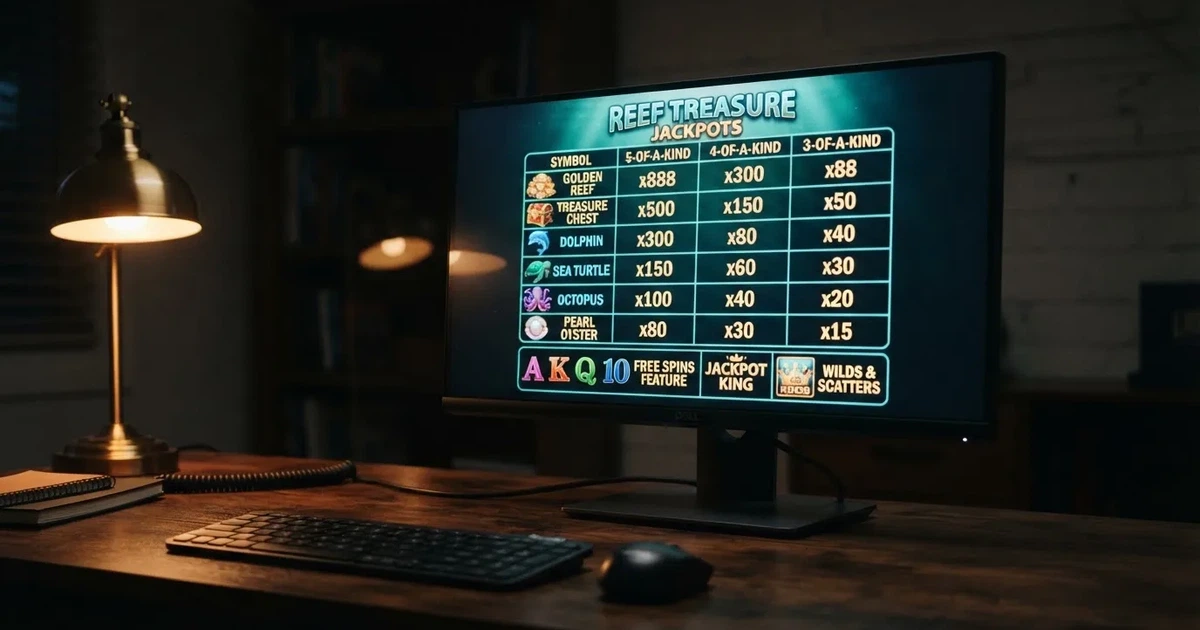
Video slots, the five-reel, multi-feature games with cascading reels, free-spin rounds and branded bonus mechanics, are not a lawful online product for anyone in Australia. The Interactive Gambling Act 2001 makes the supply of online casino games and online pokies to a person physically in Australia a civil offence, and no state or territory issues a licence for them. What a player in Australia can do legally is walk into a licensed pub, club or casino and play an electronic gaming machine (EGM) on the floor. What an offshore site offers under “best video slots” branding is, by definition, the product the regulator is blocking.
That makes “best video slots Australia” a different question than its US or UK equivalent. It isn’t a ranking of games. It’s an examination of a market where the answer to “where can I play online?” is “you can’t, lawfully,” and the practical questions shift to which EGMs are licensed where, how the regulator has been acting against the offshore sites that keep advertising to Australians, and what player protections apply onshore that don’t follow a player offshore.
This page works through that. The opening sections set the legal frame: what the Interactive Gambling Act prohibits, how the ACMA enforces it through formal warnings and website blocking, and what the responsible-gambling infrastructure looks like for someone who does play. The middle sections look at the operator landscape, the eleven brands the ACMA has issued formal warnings against, and what subject matter those sites actually market. The closing sections cover the onshore gaming machines that ARE licensed, and the FAQ answers the reader’s most likely follow-up questions.
Table of Contents
- Legality and regulation: what the Interactive Gambling Act actually prohibits
- How the ACMA enforces: formal warnings and website blocking
- Responsible gambling: BetStop, the helpline, and where player protection actually applies
- What an offshore site offering “video slots” actually means
- Bonuses, free spins and inducements: what the marketing word is hiding
- Mobile play: browser versus app, and what changes on a touchscreen
- What “video slot” actually means as a game format
- Onshore gaming machines: where video slots are actually licensed in Australia
- The eleven operators the ACMA has acted against
- What the comparison actually says
- The blocking rate the ACMA has run
- Frequently asked questions about video slots in Australia
Legality and regulation: what the Interactive Gambling Act actually prohibits
The Interactive Gambling Act 2001 (the IGA), strengthened by the Interactive Gambling Amendment Act 2017, makes it an offence to provide online casino games, online pokies or in-play betting to a person in Australia. The target is the provider, not the individual player, but the practical effect for a player is the same: no offshore site offering online casino games is legally entitled to take your bet, and the regulator has powers to make the site difficult to reach.

What IS licensable is wagering on races and sport placed before the event, lotteries and keno. In practice these are licensed by the Northern Territory Racing and Wagering Commission, which regulates 52 of Australia’s online bookmakers, including Sportsbet, Bet365 and Ladbrokes, licensed in the Territory for tax reasons. The NTRWC has no full-time staff and meets once a month in Darwin, an arrangement the ABC reported on in April 2026 as the NT government moved to reform the de facto gambling regulator.
A few specifics that matter for a player:
- Minimum age: 18.
- The Interactive Gambling Amendment (Gambling Reform) Bill 2026 passed Parliament on 19 August 2026, with its advertising and inducement measures commencing 1 January 2027. As of this page’s publication date, it is law with a start date, not yet in force.
- Tax: winnings of a recreational player are not assessable income under section 6-5 of the ITAA 1997, and losses are not deductible, unless the person carries on a business of gambling. For a punter who plays EGMs, the ATO position is: winnings don’t go on your tax return, losses don’t either.
- Payment bans: credit cards, credit-related products and digital currency are banned as payment for licensed online wagering since 11 June 2024, with penalties up to $247,500 for operators. Legal deposit routes for licensed wagering are debit card, bank transfer, PayID/Osko and BPAY. A site asking an Australian for a credit card or a crypto deposit is operating outside the Australian rules even if it holds a Curacao licence.
How the ACMA enforces: formal warnings and website blocking
The Australian Communications and Media Authority (ACMA) is the body that investigates breaches of the IGA and takes action against providers. Two tools dominate: formal warnings to the operator behind a service, and blocking requests to Australian internet service providers. As reported in June 2026, the ACMA had asked ISPs to block 1,751 illegal gambling and affiliate marketing websites since the first blocking request in November 2019, and more than 230 unlicensed gambling services had left the Australian market since enforcement was strengthened in 2017.
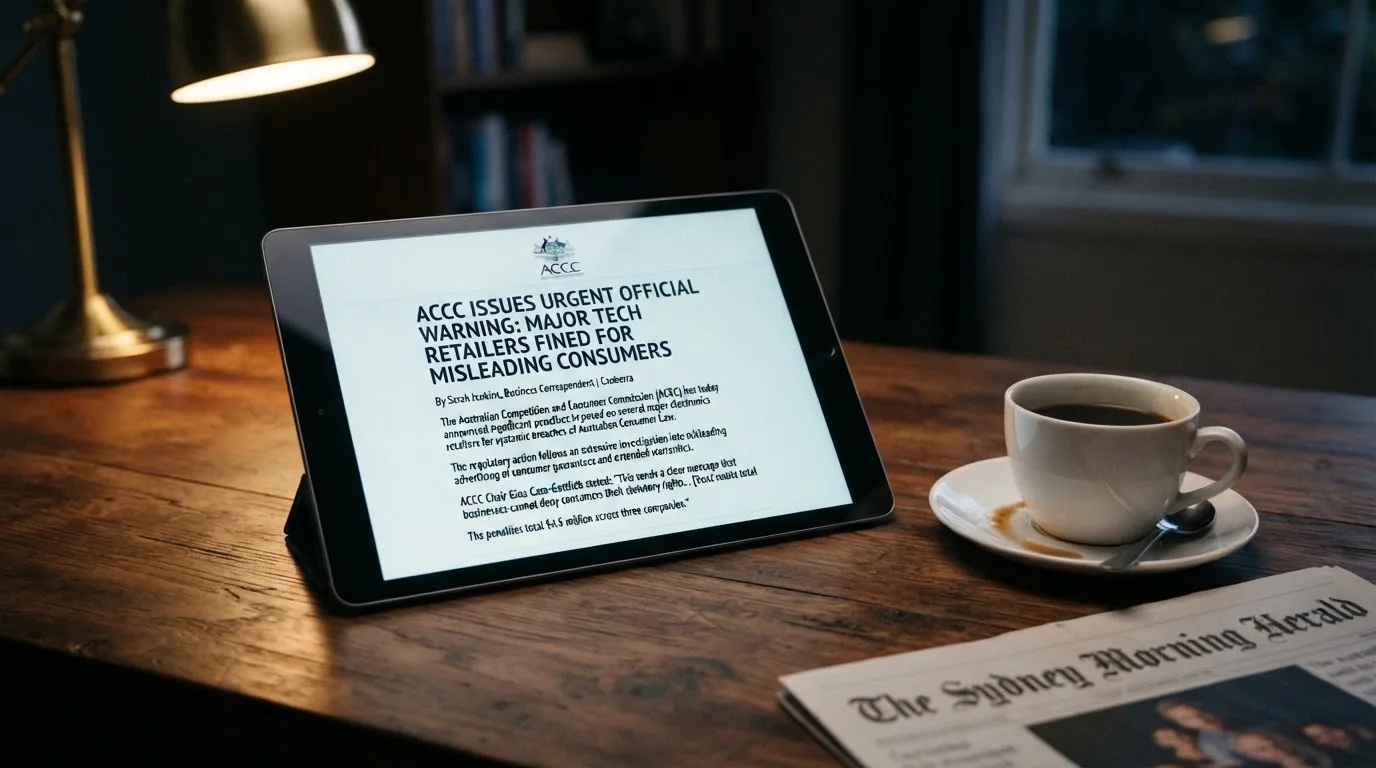
The most recent blocking round, also reported on 26 June 2026, added twelve sites: 7Signs, ChromaBet, Donbet, Duospin, Freshbet, Slots Gem, Jacks Club, Lucky Start, Pointsbetz.com, Spinrise, Vinyl Casino and Wildsino.
Formal warnings work differently. They are published notices that name the operator behind a service and the legal basis for the warning. They don’t block the site, but they put the operator on notice and become the public record the regulator builds toward further action. The list of brands the ACMA has issued formal warnings over is the most concrete measure of what “best video slots Australia” actually looks like in the market as it stands, because it’s the list of operators who tried to sell that product to Australians and were told to stop.
Responsible gambling: BetStop, the helpline, and where player protection actually applies
Player protection in Australia is built around two channels, and they have sharply different reach.
BetStop, the National Self-Exclusion Register, has been live since August 2023. It binds Australian-licensed online and phone wagering services, meaning a person who self-excludes is blocked from licensed bookmakers and their advertising. It does not bind offshore casino sites, which sit outside the Australian licensing system entirely. A punter who self-excludes through BetStop can still reach an offshore casino site, and that site has no obligation to honour the exclusion.
The National Gambling Helpline is 1800 858 858, free, 24 hours. Chat is available through Gambling Help Online. Both services are funded federally and apply regardless of where the gambling takes place, so a person playing EGMs in a pub and a person with an account at an offshore site can both use them. The helpline is the channel that actually follows a player into the offshore market; the self-exclusion register is the channel that follows a player out of it.
Spending limits, deposit caps and reality-check prompts are mandatory on Australian-licensed wagering services under the National Consumer Protection Framework. None of these protections are enforceable against an offshore operator. If an offshore site refuses a withdrawal, there is no Australian complaints body and no recourse. If a balance sits on a site the ACMA then blocks, that balance is effectively stranded.
What an offshore site offering “video slots” actually means
The offshore sites that advertise “best video slots” to Australians are running a product the IGA prohibits them from supplying to anyone in Australia. The licence they display, almost always Curacao, does not change that, because the IGA prohibits the act of supplying the service to a person in Australia, not the act of holding a particular overseas licence. A site can be licensed in Curacao, licensed in Malta, or licensed nowhere, and the legal position is the same.
What this means for the brands reviewed in the operator section below:
- The ACMA has issued formal warnings over each of them.
- They continue to advertise to Australian players through affiliate marketing pages and similar sites.
- The licences they display are real licences, just not licences that permit the activity they’re engaging in with Australian customers.
- A player who opens an account, deposits and plays does not commit an offence, but has no Australian consumer protection and no path to a complaint.
The reader comparing options this whole survey ignores should know that “real licence, offshore” is not a halfway house. Under Australian law, the halfway house doesn’t exist. It’s either licensed in Australia for the activity in question (and online casino games aren’t), or it’s operating outside Australian law.
Bonuses, free spins and inducements: what the marketing word is hiding
“Free spins” and “bonus rounds” mean two different things, and the difference is the page’s whole point.
Bonus rounds are an in-game feature. A modern video slot is built around a base game on the reels and a bonus feature triggered by landing specific symbol combinations, usually three or more scatter symbols. The bonus round can take the form of free spins (the slot itself pays for the spins, the player keeps the winnings), a pick-a-prize mini-game, an expanding-wild mechanic, cascading reels with multipliers, or a wheel-spin. These are part of the game design. They are not an inducement to deposit, and they don’t carry wagering requirements, because the slot itself produced them.
Free spins as an inducement are what an offshore casino offers to a player who deposits, often as part of a welcome package: “Deposit A$20, get 100 free spins on Starburst.” These are a marketing spend, not a game feature. The casino pays for the spins (or rather, credits them to the player’s account), and any winnings from those spins carry wagering requirements, usually 35x to 50x the bonus amount, before they can be withdrawn. A maximum cashout cap is also common, and game restrictions often exclude the highest-RTP slots from bonus play entirely.
A player who reads “200 free spins” on an offshore site and reads “free spins bonus round” on a game paytable is reading the same word twice and dealing with two different products. The game feature is part of what they’re paying to play. The inducement is the casino paying them to play, with strings attached.
Mobile play: browser versus app, and what changes on a touchscreen
Video slots are designed for touchscreen. The reel animations, the tap-to-set bet-size buttons, the swipe-to-spin gesture on some providers, the portrait-mode layouts where the reels stack vertically with the spin button under the thumb: all of this is built around the phone. The desktop version is the same game running on a bigger screen, not a different game.
The practical question for a player is whether the operator offers a dedicated app or browser-only play. Australian-licensed wagering operators tend to offer both. Offshore casino sites typically run browser-only, because getting an app past Apple’s review process for a product the App Store treats as a casino product is difficult. The exception is when a casino goes through the web-app route: a bookmark to the home screen that behaves like an app without going through the store.
Performance differences between a phone browser and a desktop browser are minor on modern hardware. What matters more is the connection: video slots are heavy on animation and sound, and a mobile session on patchy 4G will stutter in ways a home broadband connection never does. The game itself is the same.
What “video slot” actually means as a game format
The video slot is a specific format with its own design grammar. The first slot machines were mechanical: Charles Fey’s late-19th-century three-reel machine with five symbols (horseshoes, diamonds, spades, hearts and the Liberty Bell), where three bells in a row paid the top prize of ten nickels. Bally’s 1963 “Money Honey” was the first machine with a bottomless hopper and automatic payout of up to 500 coins without an attendant. The first true video slot, with a video display instead of physical reels, was the Fortune Coin Co. machine developed in 1976 in Kearny Mesa, California.
The format that the offshore casinos market as “best video slots” descends from those 1976 machines and is now almost unrecognisable from them. A modern video slot typically uses five or more reels with 50 or more symbols per reel, producing odds as high as 300 million to one against a top combination, compared with a classic mechanical three-reel machine with about 10 symbols per reel offering roughly 1,000 possible combinations. The reel count is a marketing feature, but the symbol count and the resulting odds are what determine the hit frequency and the volatility.
Two technical points that matter:
- Paylines. A classic three-reel slot typically has one payline down the middle. A modern video slot commonly uses 20, 25, 50 or even 243 ways to win (every adjacent symbol combination across the reels counts). The Megaways mechanic, licensed by Big Time Gaming, varies the number of symbols per reel on every spin, producing thousands of possible paylines on a single game.
- Volatility. Volatility is the size and frequency of payouts. A high-volatility slot pays out rarely but in larger amounts; a low-volatility slot pays out often in smaller amounts. The same provider’s catalogue will typically contain slots across the volatility range, and the volatility class is one of the few design choices that has nothing to do with the theme and everything to do with bankroll management. A player with a small bankroll who plays high-volatility slots will see long losing streaks; a player who plays low-volatility slots will see the bankroll drip away more evenly.
The mechanics the offshore sites market, cascading reels, expanding wilds, pick-me bonus rounds, free-spin retriggers, multipliers that climb during bonus play, are all features of the video-slot format itself. They are present in the licensed EGMs in Australian pubs and clubs as well, because the game design has flowed from the offshore online market back into the land-based market, not the other way around.
Onshore gaming machines: where video slots are actually licensed in Australia
Australia does license slot machines; what it does not license is online slot machines. The distinction is the whole page.
Electronic gaming machines (EGMs) are licensed at the state and territory level. The numbers, as of the dates noted, give a sense of the installed base:
| State / territory | EGMs outside casinos |
|---|---|
| New South Wales | 87,298 (June 2023) |
| Victoria | 26,380 (2021–22) |
| Queensland | 21,122 (October 2023) |
| South Australia | 11,672 (September 2023) |
| ACT | 3,587 (November 2023) |
NSW legalised slot machines in 1956, and by 2010 Australia operated an estimated 97,103 gaming machines outside casinos, a per-capita rate about five times that of the United States. The state that has the most EGMs outside casinos is NSW, by a factor of more than three over Victoria.
The machines on the floor in a NSW pub or a Melbourne casino are modern video slots in the sense the format has come to mean: five reels, multiple paylines, bonus features, themed around the same intellectual property the offshore sites use. They are not, however, available online, and they are not accessible to a player sitting at home. The minimum age on the floor is 18, the venue is required to display the game’s return-to-player percentage, and the state regulator audits the machines.
The eleven operators the ACMA has acted against
The brands below are not a ranking. They are the operators the ACMA itself has named in formal warnings over the period from 2022 to 2026 for offering prohibited online casino services to Australians. Each appears in the regulator’s published register of formal warnings. No bonus terms are reproduced here, because the only sources for those were affiliate marketing pages, and this page describes operators, it doesn’t promote them.
The table summarises the regulator’s actions. The individual blocks that follow go into what each entry actually represents.
The ACMA actions in one view
| Brand | ACMA action and date | Operator named by the ACMA | Subject support |
|---|---|---|---|
| RocketPlay | Formal warning, March 2026 | Pulsup Ltd | — |
| Level Up Casino | Formal warning, May 2022 | Dama N.V. | listings only (provider listings) |
| Woo Casino | Formal warning, March 2025 | Dama N.V. | — |
| Spirit Casino | Formal warning, May 2025 | Dama N.V. | — |
| National Casino | Formal warning, July 2025 | Consolutetish S.R.L. | listings only (provider listings) |
| Bizzo Casino | Formal warning, July 2025 | Consolutetish S.R.L. (earlier TechSolutions, 2022) | — |
| Ignition Casino | Formal warning, July 2025 | Bamboo Media | — |
| Instant Casino | Formal warning, February 2025 | EOD Code SRL | — |
| Jackbit | Formal warning, April 2026 | Ryker B.V. | — |
| Casino Intense | Formal warning, April 2025 | Sterplay Holding Ltd | listings only (Australian media reports, ACMA register, Crown Melbourne site) |
| Sky Crown | Formal warning, September 2022 | Hollycorn N.V. | — |
The shape of that table tells a story. Dama N.V. appears three times, in May 2022, March 2025 and May 2025, each time over a different brand it operates. Consolutetish S.R.L. appears twice, both in July 2025, over National Casino and Bizzo Casino. The ACMA isn’t chasing individual URLs; it’s chasing corporate vehicles, and the same vehicle shows up under different brand names as the operator rotates the front-of-house identity.
RocketPlay
The most recent formal warning in this set, and the most recent ACMA action in the register. The ACMA’s March 2026 formal warning names Pulsup Ltd as the operator behind Rocketplay.com.au. The same brand was previously the subject of a May 2022 formal warning to Dama N.V., which suggests the underlying operation has either changed hands or has been reconstituted under a different corporate entity. Either way, the service on offer is online casino games to Australians, which the IGA prohibits. The reader comparing options should note that the most recent warning is also the most recent indicator of continued non-compliance, and that Rocketplay.com.au’s domain registration under the .com.au TLD is, on its own, an indicator of Australian-market intent that an offshore brand would not normally display.
Level Up Casino
The subject of a May 2022 formal warning to Dama N.V., which at that point also covered Bambet, Dazard, Rocketplay, Wild Tornado and Cobra Casinos. Level Up appears in provider listings as carrying content from BGaming, the developer formerly known as SoftSwiss’s game studio, which is one of the larger suppliers to offshore casino operators. Provider-listing presence isn’t an endorsement; it’s a record of which studios’ games the brand carries, which tells a reader what kind of catalogue to expect, not whether the operation is lawful. The lawful answer for an Australian player is the same as for any other brand on this list: not a lawful option.
Woo Casino
The subject of a March 2025 formal warning to Dama N.V., the operator’s second warning in this set. The pattern of the Dama N.V. warnings is the more interesting story than any individual brand: the operator has been warned at least three times across three years, over different brand names, and continues to offer the product the warnings addressed. The legal position for an Australian player hasn’t changed because the brand on the front of the site has. Woo Casino is what the marketing looks like when the regulator has already told the operator twice and the operation continues.
Spirit Casino
The subject of a May 2025 formal warning to Dama N.V., the third in the sequence. Spirit Casino is the most recent brand name the operator has used after Woo Casino, and the timing suggests a brand rotation in response to the formal warnings rather than a change in the underlying operation. The reader comparing options should treat Spirit Casino and Woo Casino as two front doors to the same operator, with the same catalogue and the same legal status.
National Casino
The subject of a July 2025 formal warning to Consolutetish S.R.L., alongside Bizzo Casino. The provider-listing presence is modest, and the brand appears in Wikipedia’s coverage of the Australian gambling market. The legal status is unchanged: an offshore casino offering prohibited online casino games to Australians, formally warned, and continuing to operate. The paired warning with Bizzo Casino, on the same date, against the same operator, is the ACMA’s way of indicating it treats the two as parts of the same operation.
Bizzo Casino
The subject of a July 2025 formal warning to Consolutetish S.R.L., and previously the subject of a 2022 formal warning to TechSolutions (CY) Group Limited and TechSolutions Group N.V. The two-step history is more telling than the more recent warning alone: the brand was warned once in 2022, then again in 2025 under a different corporate operator. That pattern is consistent with operators cycling through corporate vehicles and brand identities in response to regulator action, while the underlying product offering stays the same. A reader who sees the brand warned twice should read that as one operator with two attempts.
Ignition Casino
The subject of a July 2025 formal warning to Bamboo Media. Ignition is one of the better-known offshore casino brands in the Australian SEO landscape and has been for years, which makes the formal warning more a confirmation of an existing situation than new information. The brand has been in the ACMA’s sights; the warning is the regulator putting the action on the public record. None of that changes the IGA position: online casino games are prohibited, and a formal warning doesn’t make a brand more lawful, only more documented.
Instant Casino
The subject of a February 2025 formal warning to EOD Code SRL. Instant Casino is one of the newer brand identities in the offshore space, and the warning came earlier in the year than most of the entries on this list, which puts it among the regulator’s more recent priorities. The subject of the warning is the same as every other brand on this list: offering online casino games to Australians in breach of the IGA. The reader looking for the “best” of these options should know that “best” is a question the regulator has already answered by warning against the operation.
Jackbit
The subject of an April 2026 formal warning to Ryker B.V., which also covers CasinOK. Jackbit is a crypto-heavy offshore casino, which puts it in the segment of the offshore market that the IGA’s payment bans interact with most directly: a player funding an account with digital currency at an offshore casino is using a payment method banned for licensed Australian wagering, at an operator not licensed in Australia at all. The April 2026 warning is one of the most recent on this list, and the operator’s other brand, CasinOK, was warned at the same time.
Casino Intense
The subject of an April 2025 formal warning to Sterplay Holding Ltd. Casino Intense appears in Australian media coverage and in Crown Melbourne’s coverage of the broader casino landscape, both as background references rather than endorsements. The brand is one of the longer-running offshore casino identities in the Australian market and has been the subject of affiliate marketing under this topic for years. The April 2025 formal warning is the regulator catching up with what the affiliate pages have been selling.
Sky Crown
The subject of a September 2022 formal warning to Hollycorn N.V., which also covers Blue Leo. The Hollycorn warning is the oldest in this set, and the brands under that corporate umbrella have continued to operate since. The 2022 warning date matters because it puts Sky Crown at the start of the period of intensified ACMA enforcement, and the brand’s continued presence in the Australian SEO market shows that formal warnings don’t, on their own, take a brand out of circulation. What a formal warning does is put the operator on the public record, and the public record is what this page is built from.
What the comparison actually says
Eleven operators, eleven ACMA actions, and one legal position. The variety in the table is in the operator names and the dates; the substantive position is identical across every row. Under the IGA, an offshore casino offering online casino games to Australians is in breach regardless of its corporate structure, regardless of its licence, and regardless of how many times it’s been warned.
What changes is what each brand actually offers to a player who does reach the site. The brands vary in their game catalogues, their bonus structures, their payment methods, and their withdrawal policies. The research used for this page didn’t carry the affiliate-page detail that would let it characterise each offer, and this page doesn’t reproduce bonus terms anyway. What the comparison establishes is the bounded space these brands occupy: each is one of the operators the regulator has named, none is a lawful option, and the differences between them are operational, not legal.
The blocking rate the ACMA has run
This page runs one calculation, because one number tells the story the ACMA’s enforcement record actually tells.
The ACMA had asked Australian ISPs to block 1,751 illegal gambling and affiliate marketing websites as of June 2026, with the first blocking request in November 2019. That is roughly 80 months of enforcement. Dividing the running total by the number of months gives a blocking rate, and the rate provides a measure of how enforcement has evolved.
The blocking rate is the number of sites per month the ACMA has had ISPs block since November 2019. At 1,751 sites across approximately 80 months, the ACMA has directed the blocking of roughly 22 sites per month on average across the period. The figure isn’t one number, because enforcement comes in rounds, not at a steady monthly cadence: the June 2026 round alone added twelve sites, and other months have added none. The honest reading is a band: somewhere between 15 and 25 sites blocked per month on average across the period, with the rate in any given month varying from zero to the size of the most recent round.
The reader comparing the rate over time would note that the rate has accelerated. The early blocking rounds involved single sites; the recent rounds involve a dozen or more at a time. The ACMA’s enforcement capacity has clearly grown, and the operators on the receiving end have responded by rotating brand identities and corporate vehicles. The blocking rate tells a player how fast the regulator is moving; it doesn’t tell a player when the operator will stop trying.
Frequently asked questions about video slots in Australia
What’s the difference between a video slot and a classic three-reel pokies machine?
A classic three-reel pokies machine is the format Charles Fey developed in the late 19th century: three reels, five symbols per reel, a single payline down the middle, and a top prize paid when the right combination lands. A modern video slot is a five-or-more-reel game with dozens of symbols per reel, multiple paylines (often 20, 25, 50 or 243+ ways to win), animated bonus rounds and themed features. The mechanical three-reel machine produces roughly 1,000 possible combinations; a modern video slot can produce odds as high as 300 million to one against the top combination. The video format also supports features the mechanical format can’t: cascading reels, expanding wilds, free-spin retriggers, multipliers that climb during bonus play.
Do video slots include bonus rounds that classic machines don’t?
Almost always, yes. The bonus round is one of the defining features of the modern video slot. It can take the form of free spins paid for by the game itself, a pick-a-prize mini-game, a wheel spin, an expanding-wild mechanic, or a cascade-style feature with multipliers. The bonus is triggered by landing specific symbol combinations during the base game, usually three or more scatter symbols. A classic three-reel machine has no equivalent: the only “feature” is the top combination on the payline.
Are the mobile and desktop versions of a video slot the same game?
Yes. A video slot is built around a Random Number Generator that determines outcomes independently of the device displaying it. The mobile browser version and the desktop browser version run the same underlying game; what changes is the interface, which is laid out for a touchscreen on mobile (larger spin button, vertical reel stacks, swipe gestures) and for a mouse and keyboard on desktop. The return-to-player percentage is identical on both, because the RNG and the paytable are the same.
How many paylines does a typical modern video slot use?
There is no single answer, because the range is wide. A common modern video slot uses 20, 25 or 50 paylines. Games using the Megaways mechanic, licensed by Big Time Gaming, vary the symbol count per reel on every spin and can offer hundreds of thousands of ways to win on a single spin. Cluster-pay games, which pay for groups of adjacent matching symbols rather than lines, don’t have paylines in the traditional sense at all. The payline count affects how often the game pays out, but the headline figure is less informative than the volatility class, which captures how the payouts are distributed.
Why do video slots vary in volatility even within the same provider’s catalogue?
Volatility is a design choice the provider makes deliberately, often to fill a specific segment of the market. A high-volatility slot pays rarely but in larger amounts; a low-volatility slot pays often in smaller amounts. Both can have similar return-to-player percentages over very large samples, but they produce very different experiences. A provider like Pragmatic Play or BGaming will release slots across the volatility range so a casino operator can stock a lobby that appeals to different bankroll sizes and session-length preferences. The volatility class is one of the few game characteristics that has nothing to do with theme and everything to do with bankroll management.
Which Australian state has the most licensed gaming machines outside casinos?
New South Wales, by a wide margin. NSW had 87,298 EGMs outside casinos as of June 2023, compared with 26,380 in Victoria (2021–22), 21,122 in Queensland (October 2023), 11,672 in South Australia (September 2023) and 3,587 in the ACT (November 2023). NSW legalised slot machines in 1956, which is the original legalisation, and the installed base reflects more than six decades of venue licensing. By 2010 Australia operated an estimated 97,103 gaming machines outside casinos, a per-capita rate about five times that of the United States.
Where can a player find support if gambling stops being fun?
The National Gambling Helpline is 1800 858 858, free and available 24 hours. Chat support is available through Gambling Help Online. Both services are federally funded and available regardless of where the gambling takes place, including offshore. BetStop, the National Self-Exclusion Register, has been live since August 2023 and binds Australian-licensed online and phone wagering services; it does not bind offshore casino sites. A punter who self-excludes through BetStop should know the exclusion only follows them into the licensed market, and an offshore site will not honour it.