
Finding a pokies venue open right now in Australia, and the offshore claims the ACMA is shutting down
Current as of 28 October 2026 · Verified against ACMA formal warnings register and the Interactive Gambling Act 2001
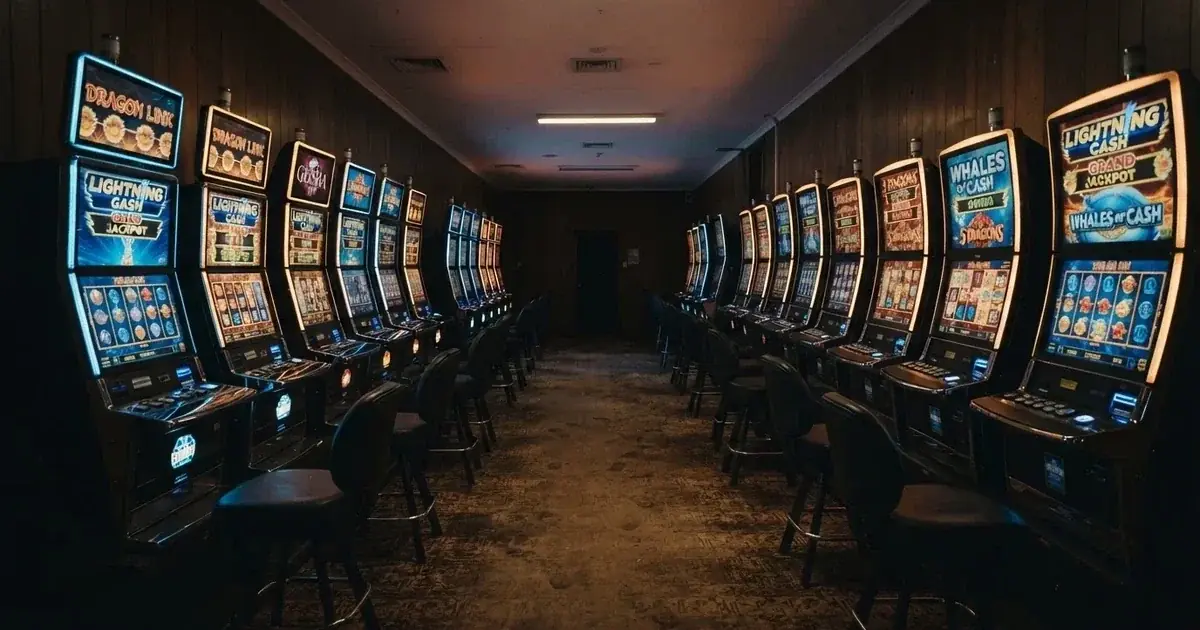
The question lands because the search terms around it are honest: someone, somewhere, wants to walk into a pub, club or casino and sit down at a poker machine tonight. That wish has a legal answer, and a private industry has spent years trying to redirect it to offshore websites that the regulator has spent the same years blocking. The two halves of this page are written so a reader can tell them apart at a glance. The lawful option is a licensed venue, state by state, with its own quirks. The unlawful one is a list of offshore brands the ACMA has had cause to warn by name — and the pace at which the regulator has been adding to that list tells its own story about how strongly Australian law reads what those sites are doing.
The page below is built around that distinction. It explains where the legal machine is, what opening hours a reader can realistically expect, where to check who is actually open at any given hour, and what identification a venue may ask for before the first spin. It then turns to the offshore side — the ACMA’s formal warnings, the operator names behind them, the block list the regulator has been quietly compiling since 2019, and what that list tells a person about where their money goes if they ignore it. Throughout, the numbers are the regulator’s own, the dates are the regulator’s own, and what isn’t covered is left unsaid rather than guessed. Where the research carries no figure, the page says so or omits the point; where the law allows a specific conclusion, the page draws it.
Table of Contents
- The shape of the lawful market for poker machines in Australia
- What the law says about opening an online pokies site for Australians
- The opening-hours reality at Australian venues
- Identifying yourself at the door, and why the question matters
- The formal-warning archive: what the ACMA has said about specific offshore brands
- The blocking-rate calculation: how fast has the ACMA been adding to the list
- The brands, one by one
- What the regulator’s choices tell the reader
- Where to check, who to call, and what to remember
- Frequently Asked Questions
The shape of the lawful market for poker machines in Australia
Poker machines sit at the centre of Australian gambling in a way no other country quite matches. The country holds roughly 3% of the world’s pub and club machines with about 0.3% of the global population, a concentration that becomes stranger the closer you look at it. In 2020–21, Australians bet almost A$150 billion through gaming machines and lost A$12.18 billion on them — a turnover figure that puts these devices ahead of every other gambling product combined, and a loss figure that lands against one of the smaller populations on earth. Every state and territory separately regulates the design and operation of these machines, so what looks like one national market is in practice eight. That is the frame anyone searching for a venue nearby has to live inside: the legal answer is always local, and the machine that opened in 1956 at a registered club in New South Wales is the same kind of object a Western Australian can only legally play at a single casino floor in Perth.

The geography of where the machines sit is uneven and intentional. New South Wales, the largest state by population, runs 87,298 gaming machines outside its casinos across 2,195 venues as of June 2023, with player losses of A$8.18 billion in 2022–23 — a footprint so wide that the question of finding an open venue in a Sydney or Wollongong suburb is more about walking distance than about availability. Queensland runs 21,122 machines in 351 venues as of October 2023, smaller in total but denser in country towns where a club may be the only sizeable gaming floor for an hour’s drive. Victoria caps the total outside Crown Melbourne at 26,380 across 488 venues under a 30,000-machine statewide limit, set deliberately to keep the spread manageable. The Australian Capital Territory and Tasmania run smaller fleets still, with Tasmania in the middle of the country’s most ambitious pre-commitment reform — cards scheduled for late 2025 that compel every player to set a spending limit before the first spin. South Australia lets machines run at a higher minimum return-to-player than the eastern states, and Western Australia banned the machines in pubs and clubs entirely when Crown Perth opened in 1985, leaving the casino’s roughly 2,500 machines the only legal pokies in the state.
The hours a venue keeps depend less on the regulator than on its own licence and its own category. A casino floor is by design open more hours than a pub with a single machine alcove off the lounge. A registered club in NSW may close its gaming room at midnight while a neighbouring hotel’s gaming lounge stays open later; a 24-hour venue is the exception rather than the rule, and the rule varies by state. The honest answer to the searched question — what time does the venue near me open — is to check the venue itself rather than assume, and the section below points readers to where to do that check without intermediation.
What the law says about opening an online pokies site for Australians
The relevant statute is the Interactive Gambling Act 2001, tightened by the Interactive Gambling Amendment Act 2017. The 2017 amendment is the workhorse of the current regime: it makes it an offence to provide online casino games, online pokies or in-play betting to a person physically in Australia, and it removes the previous exemption that had let certain services offer these products before they were banned outright. No state or territory issues a licence for an online casino or an online pokies product. The Northern Territory Racing and Wagering Commission regulates 52 of Australia’s online bookmakers — Sportsbet, Bet365, Ladbrokes among them — but those licences cover wagering on races and sport placed before the event, lotteries and keno. Casino gaming is not among them, and an offshore operator cannot back its offer with a clause that says so by displaying any other jurisdiction’s stamp.
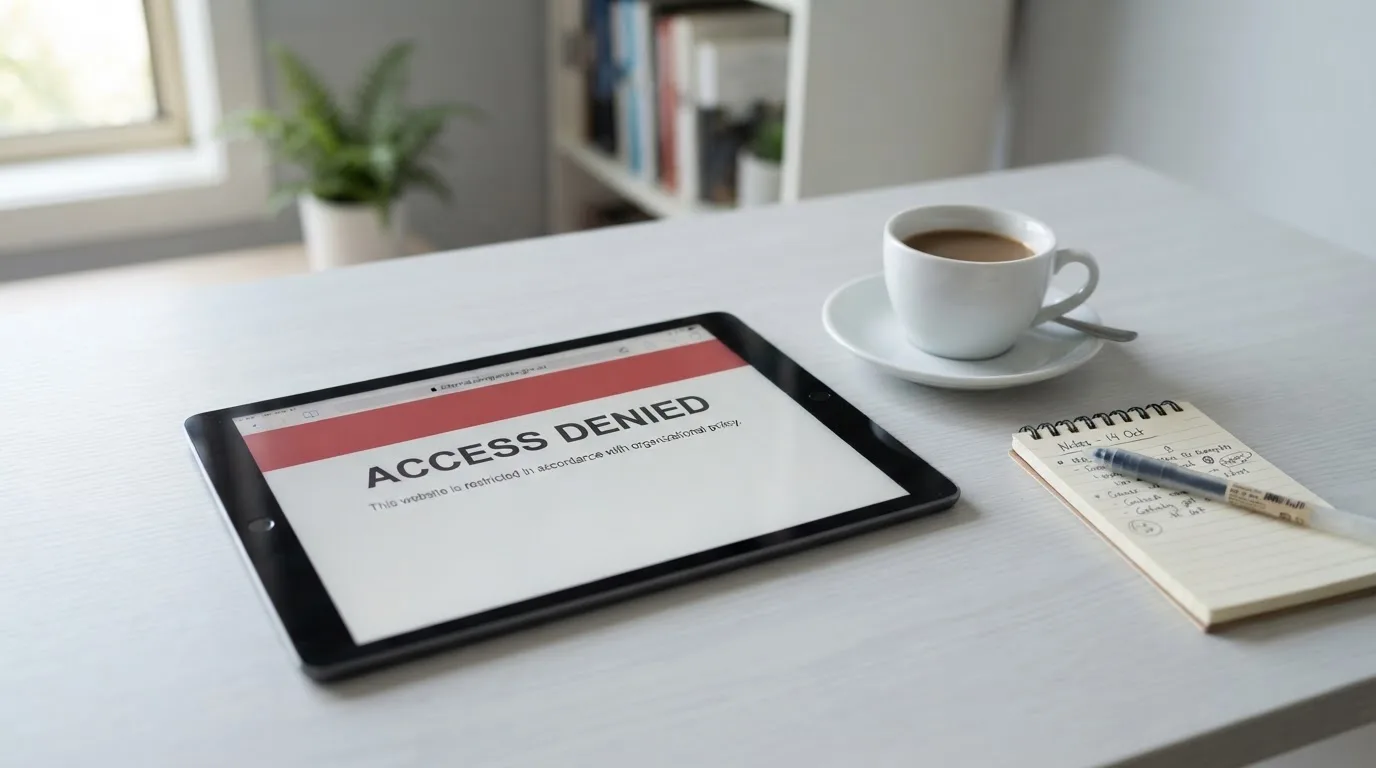
Enforcement sits with the ACMA. The regulator investigates, issues formal warnings and directs Australian internet service providers to block illegal sites. The blocking power is the headline tool, and the running total of how often it has been used is the cleanest measure of how seriously the law is being read. The pursuit targets the provider, not the individual player; an Australian punter who opens an offshore account is not personally prosecuted under the IGA. What the individual gives up is the protection an Australian-licensed product would offer — no complaints body, no recourse if a withdrawal is refused, and the real possibility the site is mid-block at the moment they try to log in. Offshore operators have no obligation under Australian consumer law, no binding dispute resolution, and a wallet that may already be locked when the regulator’s letter to the ISP goes out.
A separate question sits around payment. Since 11 June 2024, credit cards, credit-related products and digital currency are banned as a means of paying for licensed online wagering in Australia, with penalties up to A$247,500 for operators that accept them. The lawful deposit routes for a licensed wagering product are debit card, bank transfer, PayID/Osko and BPAY. An offshore casino asking for a credit card or a crypto deposit is operating outside the Australian rules, and the deposit itself is the moment the offshore setup stops looking like a transaction between equals. The credit card ban is not an attack on gambling per se; it is the regulator’s view that unsecured credit on a product with a structural house edge is the wrong combination to allow.
On the consumer side, winnings of a recreational player are not assessable income under section 6-5 of the ITAA 1997 and losses are not deductible, except where gambling amounts to carrying on a business. The tax treatment is often described more confidently than the source warrant supports; the safer position for any reader with a real return on the table is to check with the ATO directly. The 2026 reform package — the Interactive Gambling Amendment (Gambling Reform) Bill 2026, passed by Parliament on 19 August 2026 — adds further advertising and inducement restrictions that commence on 1 January 2027, so what is in force on the page now stops at the existing 2017 framework, with the next round of restrictions already law but not yet operating.
The opening-hours reality at Australian venues
The image that a search like “pokies open near me now” implies — a wide-open machine floor waiting at any hour — is more partial than the phrasing suggests. Most pubs and clubs run pokies during their licensed gaming hours, which for many venues means roughly 10am to midnight on weekdays and a similar window with later close on weekends, but the schedule is set by the venue’s own liquor and gaming licence and varies. Casinos run longer. Crown Melbourne’s table gaming floor operates across afternoon and evening sessions every day of the week and is regulated as a continuous operation by the Victorian Gambling and Casino Control Commission, which replaced the VCGLR as Victoria’s casino regulator on 1 July 2022. Crown Perth is, in Western Australia, the only legal pokies venue at all, and its hours are correspondingly the most generous in the state.
A “24-hour pokies near me” search is answered in a narrow set of places. Some casinos run tables and machines through the early hours; some larger clubs in NSW and Victoria keep an extended-hours gaming lounge; and a smaller number of standalone gaming venues operate under specific state conditions that allow later trading. Outside those few, the practical question is closer to “is anything still open where I am right now”, which is a real-time question a static page cannot fully resolve. The tools that do help are listed below.
Several pieces of working infrastructure exist. Most large pub and club chains list their gaming hours on their own sites, with a venue-level page that is the most reliable source because the venue itself set the schedule. State gaming regulators publish registers of licensed venues — Liquor & Gaming NSW, the Victorian Gambling and Casino Control Commission, Queensland’s Office of Liquor and Gaming Regulation, and equivalents in each other jurisdiction — and these registers will at least confirm that a venue the reader has heard of is licensed, even if they do not always show opening hours to the minute. Google Maps and similar services will often display a venue’s “open now” state based on the hours the venue has published, and that is a reasonable first check for the road-home question of what is still on at half past midnight on a Sunday. None of these is a substitute for phoning ahead, particularly for a regional venue whose published hours may differ from what its roster allows on a quiet weeknight.
Identifying yourself at the door, and why the question matters
Identification is the part of the venue experience a search query tends to gloss over, and it is the part that, in the Australian context, makes the legal product different from the offshore pitch. A licensed pub or club in any state is bound by age verification and responsible-gaming obligations under its own state regime and under the national framework; an underage patron cannot play the machines, a person who has self-excluded through BetStop cannot be served, and the venue is required to take reasonable steps to confirm these things before a session. In practice, this means an Australian resident who looks under 25 will be asked for photo ID at the gaming room door or at the cash-out terminal, and a person whose face has been presented to venue staff before and remembered may still be asked on a different visit. The cost of the check to the player is roughly thirty seconds and a driver’s licence; the cost to the venue is more substantial and runs through the register.
BetStop, the National Self-Exclusion Register, has been live since August 2023. It binds Australian-licensed online and phone wagering services; offshore casinos are not connected to it. The register is the single most useful tool any Australian who feels their play is costing more than they intended can use, because registration with BetStop is honoured across every participating licensed operator and is enforceable in a way a setting on a single account is not. An offshore casino cannot enrol a player in BetStop; the player must do it themselves, on a system that is independent of whichever brand’s deposit page they were last looking at. The 1800 858 858 National Gambling Helpline is free, 24/7, with chat available at Gambling Help Online, and these are the routes a reader who finds their night tipping into something heavier than they planned should know are there before they need them.
The formal-warning archive: what the ACMA has said about specific offshore brands
The brands below are not a ranking and not a recommendation. Each one has been the subject of a formal warning from the ACMA, in writing, under the Interactive Gambling Act 2001, for offering prohibited interactive gambling services to people in Australia. The relevance of the register to someone searching for a venue nearby is that the operator names sit behind almost every online “pokies” advertisement the reader will encounter when trying to find one nearby — the same search-engine results page that lists opening hours will, for some readers, list these brands in sponsored slots. The first column names the brand as it appeared in the regulator’s publication; the second names the operator the ACMA named in its formal warning; the third carries the date of the warning as the regulator published it; the fourth records any secondary appearance or earlier warning.
| Brand | ACMA operator named | Warning date | Earlier or related action |
|---|---|---|---|
| RocketPlay | Pulsup Ltd | March 2026 | Earlier warned as a Dama N.V. brand in May 2022 |
| Level Up Casino | Dama N.V. | May 2022 | — |
| Woo Casino | Dama N.V. | March 2025 | — |
| Spirit Casino | Dama N.V. | May 2025 | — |
| National Casino | Consolutetish S.R.L. | July 2025 | — |
| Bizzo Casino | Consolutetish S.R.L. | July 2025 | Earlier warned as TechSolutions in 2022 |
| Ignition Casino | Bamboo Media | July 2025 | — |
| Instant Casino | EOD Code SRL | February 2025 | — |
| Jackbit | Ryker B.V. | April 2026 | Same operator as CasinOK |
| Casino Intense | Sterplay Holding Ltd | April 2025 | — |
| Sky Crown | Hollycorn N.V. | September 2022 (as published by ACMA) | Brand covers Sky Crown and Blue Leo |
The pattern in the table tells readers something the table itself does not say. The same operator name appears more than once across rows: Dama N.V. fronts at least five of the brands above, Consolutetish S.R.L. fronts two, and Hollycorn N.V. and TechSolutions recur in ways that suggest reorganisation rather than retreat. A brand that was warned and resurfaced under a near-identical interface is still operating under the same warning in spirit; the regulator is not fooled, and the table is the simplest way to show it.
What the ACMA’s enforcement does, concretely, is ask Australian internet service providers to block the named domains. A 26 June 2026 reporting round asked ISPs to block 12 more sites in a single instruction — 7Signs, ChromaBet, Donbet, Duospin, Freshbet, Slots Gem, Jacks Club, Lucky Start, Pointsbetz, Spinrise, Vinyl Casino and Wildsino — none of which appear in the table above, but every one of which carried the same legal status in Australia at the moment it was named. The blocked list is much longer than the warned list; the warning register and the blocking register are two different published artefacts, and the table above sits in the first.
The blocking-rate calculation: how fast has the ACMA been adding to the list
The ACMA had asked ISPs to block 1,751 illegal gambling and affiliate marketing websites since the first blocking request in November 2019, as the regulator reported through to June 2026. Between November 2019 and June 2026 there are 79 months, which puts the average blocking pace at roughly 22 sites per month, or a little over one site blocked every day and a half across the seven-year stretch. The June 2026 round alone added 12 sites, so the pace in 2026 has held roughly to that average for the year to date, with a single instruction sometimes adding more than a month of older rounds contributed. The headline number to take from the calculation is that the list is not a static artefact; the ACMA’s block register has been lengthening at a steady clip the entire life of the regime.
The band the arithmetic produces is best read as: roughly 22 sites blocked per month across the life of the regime, with the most recent rounds continuing to add at that clip or slightly higher. A reader using the figure should hold it as an order of magnitude rather than a precise monthly count; the regulator publishes the cumulative total rather than monthly figures, and any per-month reading is a derivative of the cumulative tally. The figure cannot tell the reader how many of the 1,751 are still blocked versus how many have re-registered under a similar domain; the ACMA does not publish that breakdown. What it does tell a reader is that the regulator’s stated commitment to “more than 230 unlicensed gambling services having left the Australian market since 2017” is consistent with the pace at which the blocking power is being used.
The honest caveat sits beside the figure. The blocking request is a tool that works on the resolved domain; a brand that rotates the URL after the block lands can reappear at a new address before the next instruction. The pressure that produces exits — the “230 services” figure — is the cumulative effect of warnings, blocks, payment-channel pressure and the long-term message that Australia is not a soft market. A reader who treats the per-month number as a count of “harmful sites that no longer exist” is reading past what the regulator says; the regulator’s commitment is to enforcement activity, not to a measured market exit per site.
The brands, one by one
The eleven rows above carry the regulator’s own summary for each. The detail on each, in the same order, gives the operator name and warning date the ACMA has published, with a sentence about why the brand appeared in the register and what the listing pages say about it independently where any such listing is available.
RocketPlay. The ACMA’s most recent formal warning over this brand was issued in March 2026 to Pulsup Ltd, covering RocketPlay. An earlier May 2022 warning against the same brand was issued to Dama N.V. under a previous operator arrangement — five years apart, same destination. The pattern is the broader pattern for brands that re-emerge under a new operator label; the regulator’s register shows the recurring re-registration rather than an exit. What a reader sees if they follow the link is a casino interface of the type the ACMA has been warning about; what the regulator has noted, twice and now by two separate operator names, is that this interface continues to be offered in a market where it is not licensable.
Level Up Casino. A May 2022 formal warning against Dama N.V. The brand has been present on listings pages elsewhere as a working online casino interface; the listing presence is not an Australian licence and the ACMA’s action speaks to the Australian position. The warning date sits several years before the June 2026 blocking round, which means the brand has been on the regulator’s published register for the bulk of its trading life in this market. The verdict: an offshore brand with a regulator-published warning in place and no contrary Australian authorisation noted anywhere on the public record.
Woo Casino. A March 2025 formal warning under Dama N.V., the same operator fronting several other brands in this set. The warning date is recent enough that any reader who saw the brand in the period before March 2025 saw it during a window when the regulator had the brand in view; readers who see it after the warning has issued see it during the regulator’s enforcement tail. The Dama N.V. recurrence across brands is itself the relevant fact.
Spirit Casino. A May 2025 formal warning under Dama N.V., the same operator and a similar timing to the Woo Casino action. Two Dama N.V. brands warned two months apart, in the same year, under the same statutory power, suggests the regulator is willing to act against the operator at the rate the operator’s expansion presents new brands. The pattern continues: the brand count goes up, the warning count goes up by the same amount, and the cumulative effect is what the blocking-rate arithmetic above sets out.
National Casino. A July 2025 formal warning under Consolutetish S.R.L., sharing its operator with one other brand in the table. The listings independently place National Casino as a working online casino brand, which is consistent with what the regulator has identified — the brand offers itself as an online casino and that offer is what the regulator has acted against. The verdict: another row in the same register, the difference between this one and the next being the operator name rather than the legal status.
Bizzo Casino. A July 2025 formal warning under Consolutetish S.R.L., with a separate earlier warning against the underlying TechSolutions (CY) Group Limited and TechSolutions Group N.V. in 2022. This is the cleanest example in the table of a brand that the regulator has now warned under two different operator names; the website is functionally the same as it was, the operator label is different, and the regulator’s register treats both as the same offering in the Australian market. The 2022 and 2025 warnings sit four years apart, which is the kind of lag the blocking-rate arithmetic above makes legible.
Ignition Casino. A July 2025 formal warning under Bamboo Media. The brand’s name has been long enough in the offshore market that reader searches can pull up both the current interface and historical reviews; the regulator’s register has now formally noted the brand under the Australian-prohibition heading. No earlier ACMA action against this brand sits on the public record before the July 2025 warning.
Instant Casino. A February 2025 formal warning under EOD Code SRL — the regulator’s earliest action against this brand, and the action that first places it on the register under EOD Code SRL’s name. February 2025 is the first row of the warning register proper in this cluster, marking the point at which the regulator’s enforcement priority visibly widened into this set of brands; the subsequent warnings over the next 15 months did not slow. Reader search traffic for this brand has continued alongside the warning, which is the specific failure mode the regulator’s intervention tries to shift.
Jackbit. An April 2026 formal warning under Ryker B.V., covering both Jackbit and the related CasinOK brand in the same instruction. The same operator, two brands, one warning — an efficient piece of enforcement on the regulator’s part and a useful marker for any reader trying to keep the operator-level map straight in their head. The verdict is the same as the others, with the additional information that the operator set is wider than any single brand suggests.
Casino Intense. An April 2025 formal warning under Sterplay Holding Ltd. Independent listings for this brand sit across multiple directories, including coverage that touches the brand’s Australian position and the regulator’s enforcement role. The April 2025 timing places it between the regulator’s early-year cluster and the July 2025 wave, reinforcing the picture that the regulator’s enforcement is not bunching on a single month.
Sky Crown. A formal warning under Hollycorn N.V. published by the ACMA covering both Sky Crown and Blue Leo. The Hollycorn N.V. operator name has been consistent across both brands in the regulator’s register; the operator has appeared in the register for several years and the warnings have continued to multiply as the operator has put forward additional brands over time. The two-brand coverage in a single ACMA publication is similar to the Jackbit/CasinOK pattern and is one of the cleaner cross-references in the table.
What the regulator’s choices tell the reader
The cleanest reading of what the ACMA has chosen to publish over the past five years is that the regulator has not been shy about using both the warning power and the blocking power, and the two together have driven “more than 230 unlicensed gambling services” out of the Australian market since 2017 — a figure the regulator cites alongside the blocking total. The exit figure is the more interesting number for any reader weighing the offshore option, because it speaks to what happens to a brand in the long run rather than what happens at the moment a block lands. The block is the regulator’s tactical tool; the exit is the regulator’s strategic outcome, and the strategic outcome is what the law is reaching for.
What the regulator has not done is tell readers which offshore brand will still be operating a week, a month or a year from now. The exit and re-registration pattern that the table makes visible — five Dama N.V. brands, two Consolutetish S.R.L. brands, recurring TechSolutions and Hollycorn labels — is the regulator’s working problem, not its solution. A reader who treats the existence of a block list as evidence that the offshore market has ended will be wrong; what the list shows is that the offshore market is a moving target, and that the regulator is moving with it.
The plain consequence for a reader looking for a venue nearby is that the search has a lawful answer that the regulator has spent the past several years protecting, and a parallel set of unlawful answers the regulator has spent the same years narrowing. The lawful venue will be open at the hours the venue itself sets. The unlawful answer will, on the day a reader tries it, be a website that may or may not be reachable through their ISP, asking for an Australian credit card or a crypto deposit the regulator has explicitly banned, with no recourse if the balance the reader deposited cannot be withdrawn. The two options are not equivalent for the reader, and the regulator’s enforcement pattern is the clearest published evidence of which one it considers the worth defending.
Where to check, who to call, and what to remember
For a quick read on whether a venue near you is open right now: the venue’s own website for trading hours, the relevant state regulator’s register for confirmation the venue holds a licence, and a search service such as Google Maps for the live “open now” state. None of these tools replaces phoning ahead for a regional pub whose published hours may shift week to week.
For the lawful deposit side: a licensed Australian wagering operator will accept debit card, bank transfer, PayID/Osko and BPAY, and will refuse credit cards and crypto as part of its licence obligations since 11 June 2024. Any other combination is the operator’s choice to operate outside the licence, not the player’s.
For self-exclusion and support: BetStop, the National Self-Exclusion Register since August 2023, is the binding tool across Australian-licensed wagering services; the 1800 858 858 National Gambling Helpline is free, 24/7, and runs chat at Gambling Help Online. Both are the right places for a reader who finds their night tipping into something heavier than they planned. An offshore casino offers neither; it is not part of the register and there is no Australian obligation on it to provide a helpline.
For the long view: the law in force is the Interactive Gambling Act 2001 as amended in 2017. The 2026 reform package is law on the books but operates from 1 January 2027 onward. Until then, what an Australian can play online is wagering on races and sport placed before the event, lotteries and keno, and what they cannot play is anything that looks like a casino game or a pokies-style spin. The next year brings a tightening of the inducement and advertising rules around those products; it does not bring a casino product into the licensable category, and it does not move a single offshore brand into compliance.
Frequently Asked Questions
What hours do most Australian pubs and clubs typically keep their poker machines open?
Most pubs and clubs run their gaming rooms during licensed hours that often fall between 10am and midnight on weekdays, with weekend hours stretched later, though each venue’s schedule is set under its own state licence. Casinos run their floors on longer hours, with Crown Melbourne operating as a continuous venue under the Victorian Gambling and Casino Control Commission’s regulation. The state-by-state regulator — Liquor & Gaming NSW, the VGCCC, Queensland’s Office of Liquor and Gaming Regulation — confirms the licence and the venue’s right to trade at those hours.
Is there a way to check which nearby venue currently has poker machines open right now?
The live “open now” check is best done at the venue’s own website for its hours, with a search service such as Google Maps as a second-line check on the same data. The state regulator’s register confirms a venue holds a licence but does not always show opening hours to the minute, and phoning the venue is the right move for any venue whose published hours look out of date for the night in question.
Are poker machines in a licensed pub or club the same thing as an online pokies game?
A licensed pub or club poker machine is a state-regulated electronic gaming machine that physically stands in a venue the regulator has authorised; an online pokies game is the same sort of interface delivered over the internet. The legal status of the two is different: the venue machine is licensable under state law, while the online product is a prohibited interactive gambling service under the Interactive Gambling Act 2001 as amended in 2017, and no Australian licence supports it.
Do all pubs and clubs run pokies for 24 hours, or only some venues?
The 24-hour pokies venue is the exception rather than the rule. Casinos typically run their floors for longer than pubs and clubs, and a small set of larger clubs hold extended-hours gaming lounges; most pubs close their gaming rooms well before midnight on a weekday and on a similar schedule on weekends. The state regulator’s register and the venue’s own hours are the working answer to which is which in a given suburb.
What identification, if any, does a venue ask for before letting someone play the machines?
A licensed pub or club is required to take reasonable steps to confirm the patron is over 18 and is not registered on BetStop or the venue’s own self-exclusion record, and the practical version of that requirement is a photo ID check on entry or at the cash-out terminal, usually a driver’s licence. An offshore casino has no analogous Australian obligation; the identification it asks for, if any, serves its own compliance regime rather than Australia’s.
How does the number of poker machines in Australian venues compare with the rest of the world?
Australia holds roughly 3% of the world’s pub and club poker machines against 0.3% of the world’s population, a concentration that explains why the country sits near the top of per-capita gaming-machine loss rankings. New South Wales alone runs 87,298 machines outside casinos as of June 2023, with player losses of A$8.18 billion in 2022–23, and the eight-jurisdiction split makes any “Australian average” figure partially fictional — the state-by-state picture is the real answer.